Cooperatives in Bangladesh
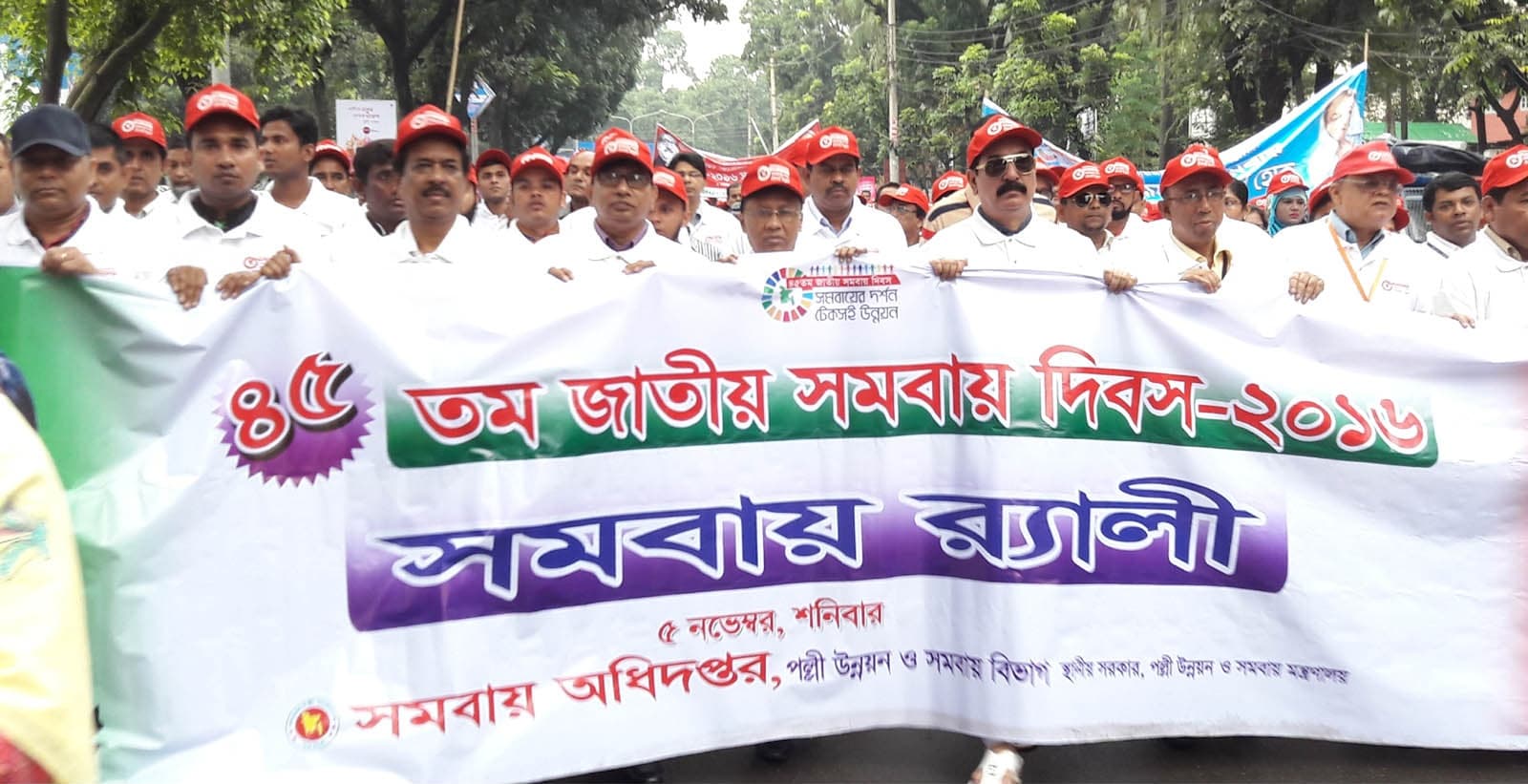
Real cooperatives in Bangladesh, photographed on location. Full credits on our attributions page.
Overview of the Cooperative Sector in Bangladesh
Bangladesh has over 200,000 cooperative societies with approximately 10 million members, making cooperatives a significant part of rural economic life since the 1960s. The Bangladesh Rural Development Board (BRDB) organizes the largest formal cooperative network, connecting village-level primary societies into thana-level central unions across all 64 districts.
The most internationally influential contribution from Bangladesh is the Comilla Model — a two-tier cooperative system developed by Akhter Hameed Khan at the Pakistan Academy for Rural Development in Comilla from 1959 onwards. The model's innovations in weekly savings meetings, supervised agricultural credit, women's parallel societies, and integrated training influenced cooperative and microfinance design globally, including Grameen Bank's group lending model.
Grameen Bank — though not technically registered as a cooperative under Bangladesh's Cooperative Societies Act — is functionally cooperative in structure: borrowers hold 90% of shares, elect the board, and operate through village-level lending groups. Founded by Muhammad Yunus in 1983, Grameen has served over 9 million borrowers (97% women) and its village group model has been exported to 40+ countries.
Types of Cooperatives in Bangladesh
Savings and Credit Cooperatives (KSS/BRDB)
Krishi Samabay Samiti (KSS) — village-level agricultural credit societies organized through BRDB across all 64 districts. Provide agricultural credit, input supply, irrigation coordination, and compulsory weekly savings.
Dairy Cooperatives
Milk Vita (Bangladesh Milk Producers' Cooperative Union Limited) collects from 100,000+ farmer members across 3,000+ primary cooperatives, processing 400,000 litres daily at plants in Pabna and Dhaka.
Fisheries Cooperatives
Organize boat owners and fishers for collective jalmohol (water body) leasing, input procurement, and cold storage access. Marine fisheries cooperatives along the Bay of Bengal coast access deep-sea trawler licensing.
Urban Savings Cooperatives
Samabay Samiti groups serving garment workers, rickshaw pullers, and market traders in Dhaka, Chittagong, Sylhet and other cities. Provide emergency lending and pooled savings for remittances and housing.
Notable Cooperatives in Bangladesh
Milk Vita (Bangladesh Milk Producers' Cooperative Union Limited)
DairyEstablished 1973, modeled on India's AMUL structure. Has 100,000+ farmer members across 3,000+ primary cooperatives, collects 400,000 litres per day, and holds over 40% of Bangladesh's organized dairy market. Headquartered in Pabna.
BRDB Cooperative Network
Agricultural Credit / Rural DevelopmentBangladesh Rural Development Board organizes primary cooperative societies (KSS) at village level and central cooperative societies at thana level, operating in all 64 districts. Provides agricultural credit, inputs, and irrigation coordination to millions of smallholder farmers.
Samabay Bank
Cooperative Banking (Apex)The apex cooperative financial institution in Bangladesh, owned by cooperative societies. Provides credit to central and primary cooperative societies and savings deposit services. Supervised by Bangladesh Bank since tightened oversight in 2010.
Grameen Bank
Microfinance (Cooperative-Adjacent)Founded by Muhammad Yunus in 1983 (Grameen Bank Ordinance). Borrowers hold 90% of shares and elect the board. Has served 9 million+ borrowers — 97% women — through ~900,000 village lending groups. The group-lending model is directly descended from the Comilla Model's small-group accountability insight.
Regulatory Framework
| Primary Legislation | Cooperative Societies Act 2001 |
| Regulator | Registrar of Cooperative Societies, Ministry of Local Government, Rural Development and Cooperatives |
| Key Year | 2001 |
| Notes | The Registrar has authority to register and de-register societies, audit accounts, settle member disputes, and appoint administrators to societies in governance crisis. The Samabay Bank sits at the apex of the financial cooperative system, with Bangladesh Bank oversight. |
How to Form a Cooperative in Bangladesh
- 1
Assemble founding members (primary cooperatives require a minimum of 20 members)
- 2
Draft cooperative bylaws consistent with the Cooperative Societies Act 2001 (the Registrar provides model bylaws)
- 3
Submit registration application to the Registrar of Cooperative Societies or appropriate district-level officer
- 4
Pay registration fee
- 5
Receive Certificate of Registration
- 6
Hold inaugural general assembly, elect board, and open cooperative bank account
- 7
Annual compliance: submit audited accounts; hold annual general assembly; maintain Registrar filings
Related Cooperative Sectors
Frequently Asked Questions — Cooperatives in Bangladesh
What is the Comilla Model?
The Comilla Model is a two-tier cooperative system developed by Akhter Hameed Khan at the Pakistan Academy for Rural Development in Comilla from 1959 onwards. It organizes farmers into small primary societies at village level, federated into central cooperative unions at thana (sub-district) level. Its innovations — weekly savings meetings, supervised agricultural credit, women's parallel societies, and integrated training — influenced cooperative and microfinance design globally, including Grameen Bank.
How many cooperative societies are there in Bangladesh?
Bangladesh has over 200,000 registered cooperative societies under the Cooperative Societies Act 2001, with approximately 10 million members. The majority are rural, organized through the BRDB framework. Savings and credit cooperatives are the most numerous type.
What is Milk Vita?
Milk Vita (Bangladesh Milk Producers' Cooperative Union Limited) is Bangladesh's largest dairy cooperative, established in 1973. It has 100,000+ farmer members across 3,000+ primary cooperatives, collects 400,000 litres of milk per day, and holds over 40% of the organized dairy market. Its structure mirrors India's AMUL — an apex union of village-level primary cooperatives.
Is Grameen Bank a cooperative?
Grameen Bank is not registered as a cooperative under Bangladesh's Cooperative Societies Act — it is a specialized bank established by the Grameen Bank Ordinance of 1983. However, its ownership structure (borrowers hold 90% of shares), governance (borrowers elect the board), and village group lending model are functionally cooperative in character.
Learn More
Cooperatives in Bangladesh — In-Depth Guide
History, legislation, notable organisations, and sector breakdowns.
Find Cooperatives in Bangladesh
Browse 26,000+ cooperatives by sector, country, and size in our free directory.