Cooperatives in Canada
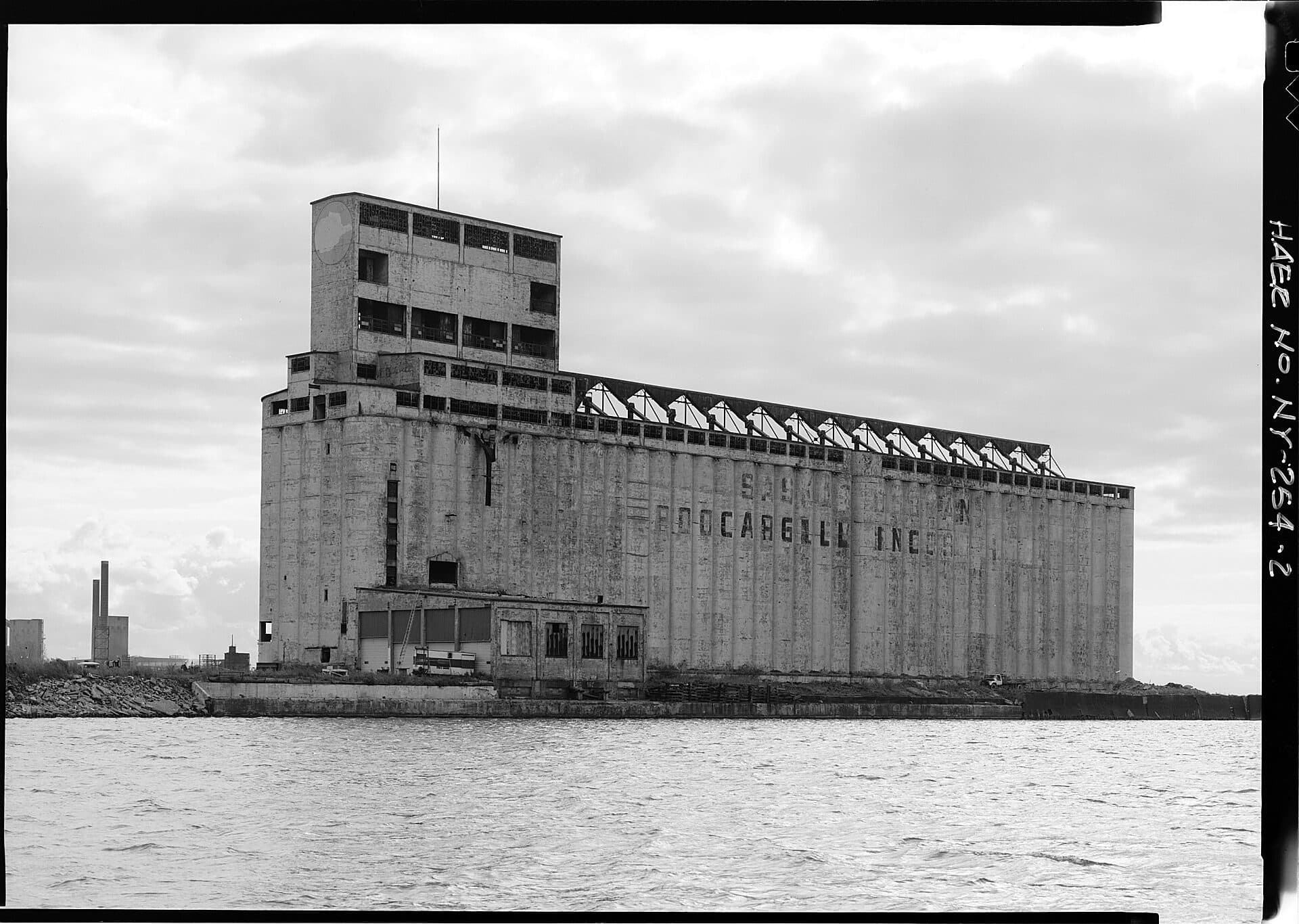

Real cooperatives in Canada, photographed on location. Full credits on our attributions page.
Overview of the Cooperative Sector in Canada
Canada has a thriving cooperative sector with over 9,000 cooperatives and credit unions holding 22 million memberships — an impressive figure in a country of approximately 40 million people. The sector spans financial services, retail, agriculture, housing, health, and worker cooperatives, and is strongly embedded in Canadian identity, particularly in Quebec and the Prairie provinces.
Cooperative law in Canada is bifurcated: federally incorporated cooperatives are governed by the Canada Cooperatives Act (1998, updated 2001); provincially incorporated cooperatives fall under each province's own cooperative legislation. Most large consumer and agricultural cooperatives are provincially incorporated. Quebec's cooperative movement is uniquely strong, shaped by the Desjardins movement in finance and a distinct legislative framework (La Loi sur les coopératives).
Desjardins Group, headquartered in Lévis, Quebec, is the largest cooperative financial group in Canada and one of the top ten financial institutions in the country with over $400 billion in assets and 7 million members. Federated Co-operatives Limited (FCL) is the wholesale and service arm of over 160 retail co-ops across Western Canada, generating over $11 billion in annual revenues.
Types of Cooperatives in Canada
Credit Unions and Caisses Populaires
Over 600 credit unions and caisses populaires (French-language equivalents) with combined assets exceeding $500 billion. Desjardins Group alone manages $400B+ in assets.
Retail and Consumer Cooperatives
Federated Co-operatives Limited (FCL) serves as the wholesale supplier and service provider to over 160 independent retail co-ops operating 2,500+ locations across Western Canada in food, fuel, agri, and home improvement.
Agricultural Cooperatives
Covering grain handling, dairy processing (Agropur), fruit and vegetable marketing, and farm supply. Alberta Wheat Pool and Manitoba Pool Elevators merged into Viterra, illustrating consolidation in Prairie agriculture.
Insurance Cooperatives
The Co-operators Group is Canada's largest Canadian-owned cooperative insurer, offering auto, home, life, and commercial insurance through a network of cooperative member organizations.
Housing Cooperatives
Over 2,200 non-profit housing cooperatives provide affordable housing to more than 250,000 Canadians. The Co-operative Housing Federation of Canada (CHF Canada) is the national apex body.
Notable Cooperatives in Canada
Desjardins Group
Financial / Credit UnionFounded by Alphonse Desjardins in 1900, Desjardins is Canada's largest cooperative financial group with over $400 billion in assets, 7 million members in Quebec and Ontario, and 56,000 employees. A defining institution of Quebec society.
Federated Co-operatives Limited (FCL)
Retail / WholesaleThe wholesale arm supplying over 160 retail co-ops across Western Canada. FCL operates refineries, feed mills, and distribution centres, generating over $11 billion in annual revenue and distributing patronage returns to member co-ops.
The Co-operators Group
InsuranceCanada's largest Canadian-owned insurer (cooperative structure), with $4.5 billion in premiums and over 5,000 employees. Owned by a cooperative of cooperatives — its shareholders are Canadian cooperatives and credit unions.
Agropur
Dairy / AgriculturalOne of North America's largest dairy cooperatives, Agropur generates over $6 billion CAD in annual revenue and processes milk from thousands of Canadian dairy farmers into cheese, yogurt, and other dairy products.
Regulatory Framework
| Primary Legislation | Canada Cooperatives Act (federal, 1998/2001); provincial acts (e.g., Co-operative Corporations Act of Ontario; La Loi sur les coopératives, Quebec; Saskatchewan Cooperatives Act) |
| Regulator | Corporations Canada (federal); provincial registrars of cooperatives; FSRA / provincial financial regulators (credit unions) |
| Key Year | 1998 (federal Act) |
| Notes | Quebec's cooperative legislation is among the most comprehensive, including specific provisions for worker cooperatives and solidarity cooperatives (multi-stakeholder models). Credit unions are provincially regulated, not federally. |
How to Form a Cooperative in Canada
- 1
Choose federal or provincial incorporation based on operational scope
- 2
For provincial: contact the relevant provincial cooperative registry (e.g., Ministry of Government and Consumer Services in Ontario)
- 3
Prepare articles of incorporation: name, purpose, membership classes, share structure (if any), and governance provisions
- 4
Draft bylaws covering board elections, member voting rights, patronage allocation, and surplus distribution
- 5
File articles with the registrar and pay filing fee
- 6
Obtain a Business Number from the Canada Revenue Agency
- 7
Consider consulting the Canadian Co-operative Investment Fund or provincial cooperative development bodies for startup support
Frequently Asked Questions — Cooperatives in Canada
What is the largest cooperative in Canada?
By assets, Desjardins Group is Canada's largest cooperative, with over $400 billion in assets and 7 million members. By revenue, Federated Co-operatives Limited (FCL) is among the largest, generating $11+ billion annually from retail supply operations across Western Canada.
Is cooperative law federal or provincial in Canada?
Both. The Canada Cooperatives Act (1998) governs federally incorporated cooperatives that operate across provincial borders. Most cooperatives choose provincial incorporation under their home province's cooperative legislation, as it is typically simpler and sufficient for regional operations.
What is a solidarity cooperative in Quebec?
A solidarity cooperative (coopérative de solidarité) is a Quebec innovation allowing multiple stakeholder categories — workers, users, and supporting members — to co-own a cooperative. This multi-stakeholder model has been adopted by healthcare, cultural, and community service cooperatives.
How does Desjardins differ from a bank?
Desjardins caisses populaires are member-owned financial cooperatives, not shareholder-owned banks. Members elect the board, share in surpluses, and have one vote regardless of their deposit size. Profits stay within the cooperative and local community rather than flowing to external shareholders.
Learn More
Cooperatives in Canada — In-Depth Guide
History, legislation, notable organisations, and sector breakdowns.
Find Cooperatives in Canada
Browse 26,000+ cooperatives by sector, country, and size in our free directory.