What Are Electric Cooperatives?
Electric cooperatives are member-owned electric utilities, formed primarily to bring power to rural and suburban communities that investor-owned utilities found unprofitable to serve. In the United States, the rural electrification movement of the 1930s gave rise to the National Rural Electric Cooperative Association (NRECA), which today represents 832 electric distribution cooperatives serving 42 million people across 56% of the country's landmass.
The economics of rural electrification made the cooperative model essential. Investor-owned utilities focus capital on dense urban markets where returns per mile of line are high. Rural areas, with far fewer customers per mile of infrastructure, simply did not pencil out. When the New Deal's Rural Electrification Administration (REA) made low-cost loans available in 1936, rural communities formed cooperatives to build and operate their own distribution systems. In 1935, only 11% of US farms had electricity; by 1950, the figure had risen to 90%, largely through cooperative effort.
Today's electric cooperatives operate at multiple levels: distribution cooperatives deliver power directly to homes and businesses; generation and transmission (G&T) cooperatives generate bulk power for distribution co-ops; and NRECA provides advocacy, technical assistance, and insurance. Globally, the model has spread to rural communities across Africa, Latin America, and Asia, where cooperatives continue to extend the electricity grid to underserved populations.
How Electric Cooperatives Work
- 1
Members (electricity customers) pay a small capital contribution when they connect to the grid, becoming co-owners.
- 2
The cooperative builds and maintains the distribution infrastructure (poles, wires, substations) serving its territory.
- 3
Power is purchased wholesale from a generation and transmission (G&T) cooperative or independent power producers.
- 4
Operating revenue covers infrastructure maintenance, purchased power costs, and debt service on capital loans.
- 5
Margins above expenses (including reserves) are allocated to members' capital accounts as 'capital credits' and retired (paid out) on a rolling basis.
- 6
Members elect a board of directors, typically from the local community, to govern the cooperative.
Electric Cooperatives in the Real World
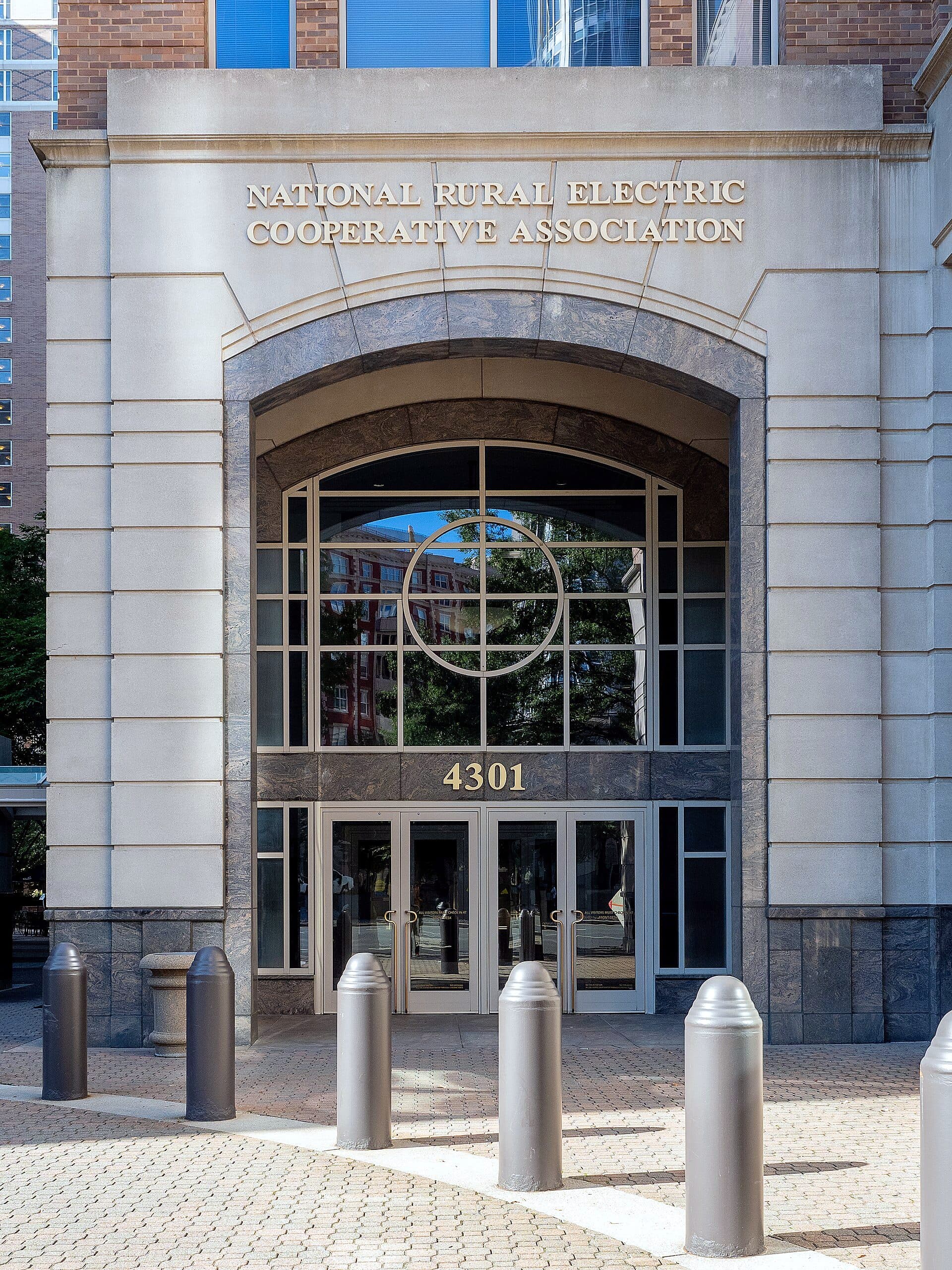
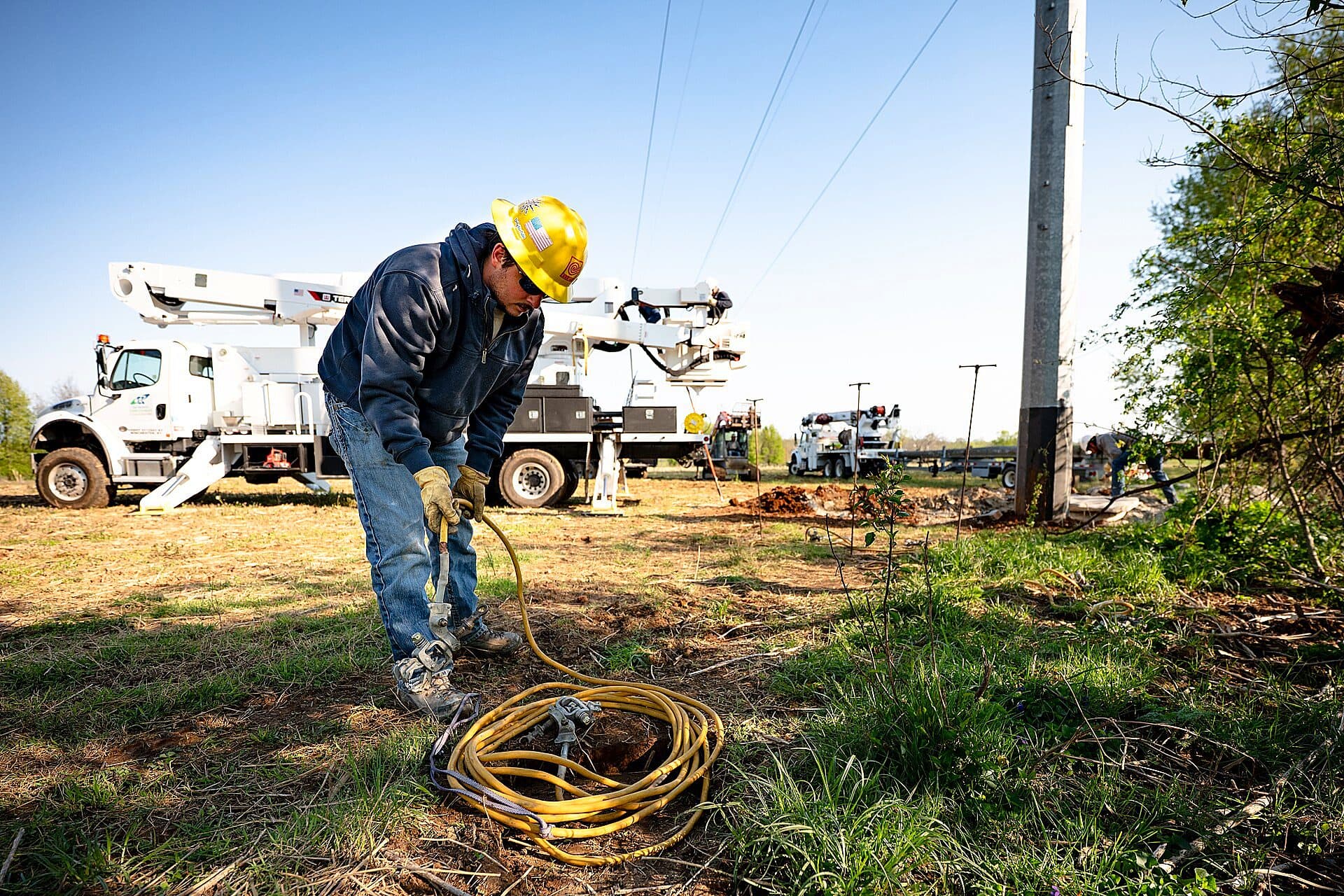
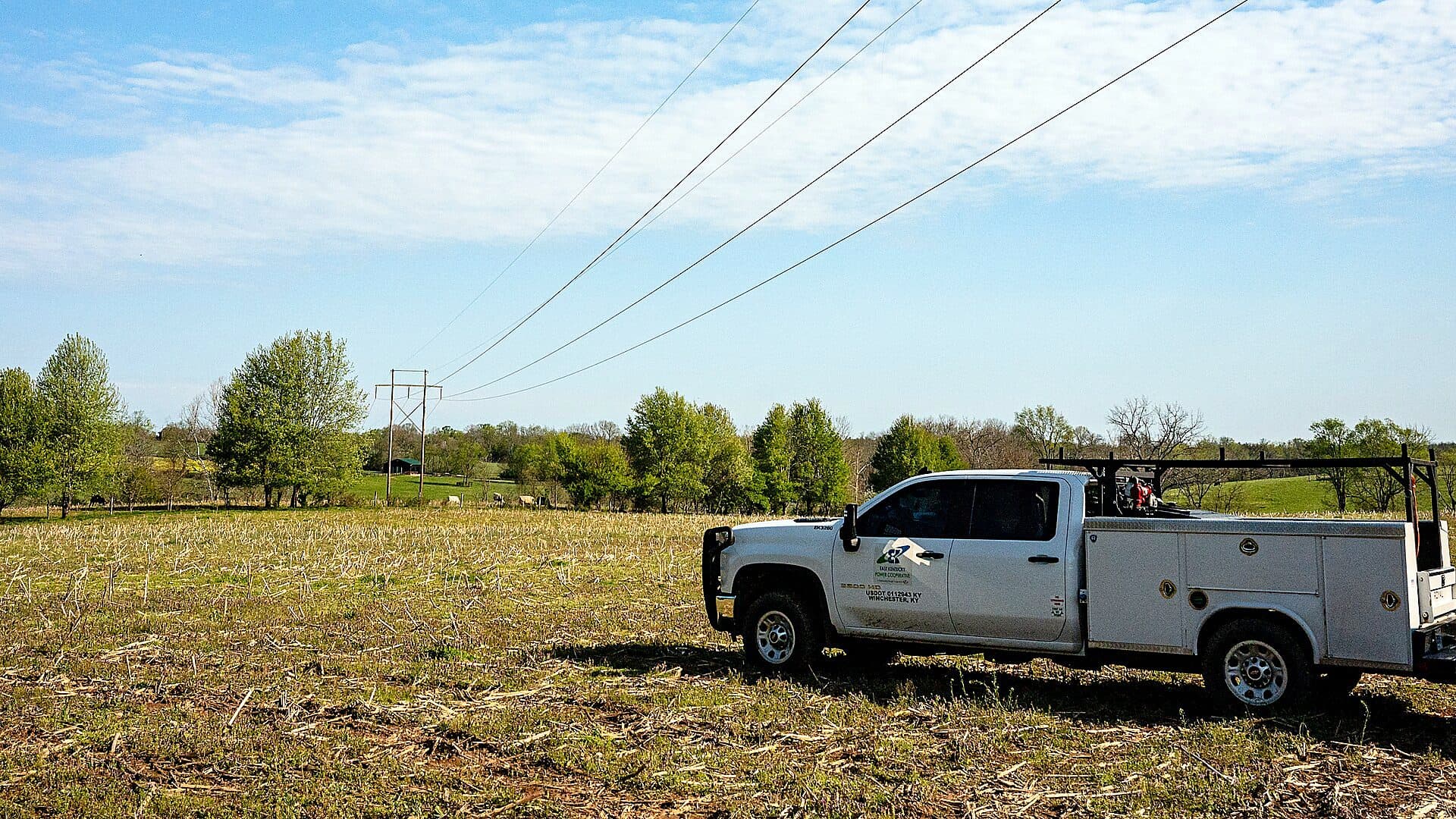
Real cooperatives photographed on location. Full credits on our attributions page.
Major Examples Worldwide
NRECA (National Rural Electric Cooperative Association)
United StatesEst. 1942The national service organisation representing 832 distribution cooperatives and 65 G&T cooperatives. Provides advocacy, technical services, and NRECA's group insurance programmes to member co-ops.
Pedernales Electric Cooperative
United StatesEst. 1938Headquartered in Johnson City, Texas, Pedernales is the largest distribution electric cooperative in the US by number of meters served — over 400,000 — covering 8,100 square miles of the Texas Hill Country.
Minnkota Power Cooperative
United StatesEst. 1938G&T cooperative serving 11 distribution cooperatives in Minnesota and North Dakota. A leader in renewable energy integration, with plans for a major carbon capture project at its Milton R. Young Station.
Kenya Power and Lighting Co. / Rural Electric Cooperatives
KenyaEst. VariousKenya's rural electrification programme has incorporated cooperative structures to extend grid access to rural communities. Cooperative models are increasingly used across sub-Saharan Africa for off-grid solar distribution.
CLECO Cooperative
United StatesEst. 1935Louisiana electric cooperative serving roughly 290,000 customers, demonstrating that electric cooperatives can grow to regional utility scale while maintaining member ownership and democratic governance.
Frequently Asked Questions
Why don't electric cooperatives just sell to investor-owned utilities?
Electric cooperatives are owned by their members, and any sale or merger requires member approval. Most members value local control, equitable rates, and the return of capital credits. Some cooperatives have converted or merged, but the majority of members have historically voted to remain cooperative.
What are capital credits?
Capital credits are the equivalent of patronage dividends in the electric cooperative world. When a cooperative earns margins above its operating costs, those margins are allocated to members' accounts in proportion to their electricity usage. The cooperative 'retires' (pays out) these credits on a rolling schedule, typically over 20–30 years.
Are electric cooperatives regulated like other utilities?
Yes. Electric cooperatives are regulated by state public utility commissions (or in some states exempt as member-owned organisations) and must comply with FERC, EPA, and state environmental regulations. They are also subject to USDA Rural Utilities Service loan requirements.
How are electric cooperatives leading on renewable energy?
Many electric cooperatives have been early adopters of renewable energy, particularly wind and solar, because they serve large land areas with excellent renewable resources and because their long-term, community-owned model supports long-lived capital investments. NRECA has a national renewables initiative, and individual co-ops like Tri-State G&T are transitioning to 100% carbon-free power.
Learn more in our Wiki
Our in-depth wiki article on Electric Cooperatives covers history, governance models, legal frameworks, and global statistics in detail.
Read the Electric Cooperatives Wiki Article →Related Sectors
Browse Electric Cooperatives
Search our directory of cooperatives worldwide, filtered by sector, country, and size.
Browse Electric Cooperatives in the Directory →