Cooperatives in Germany
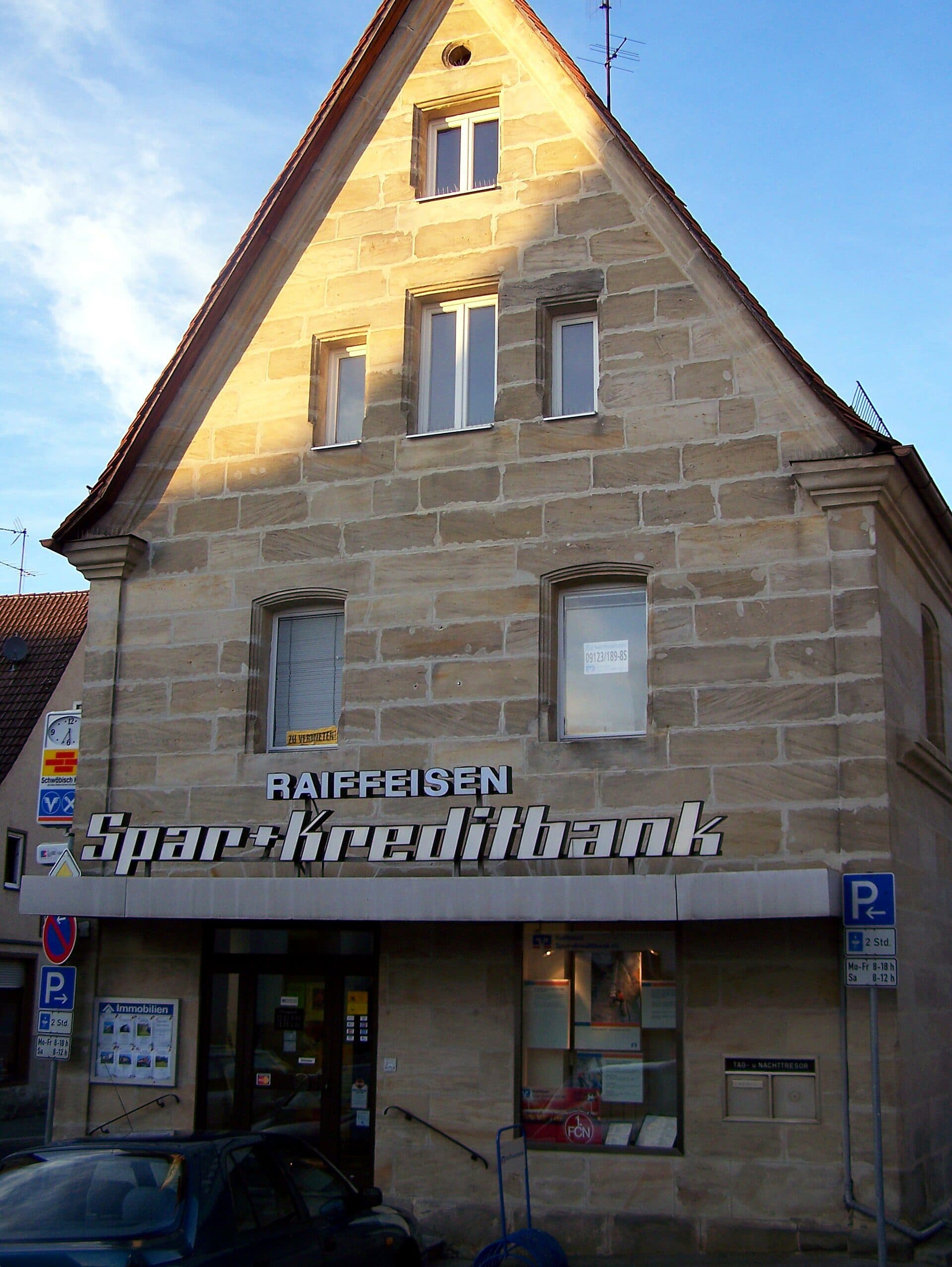
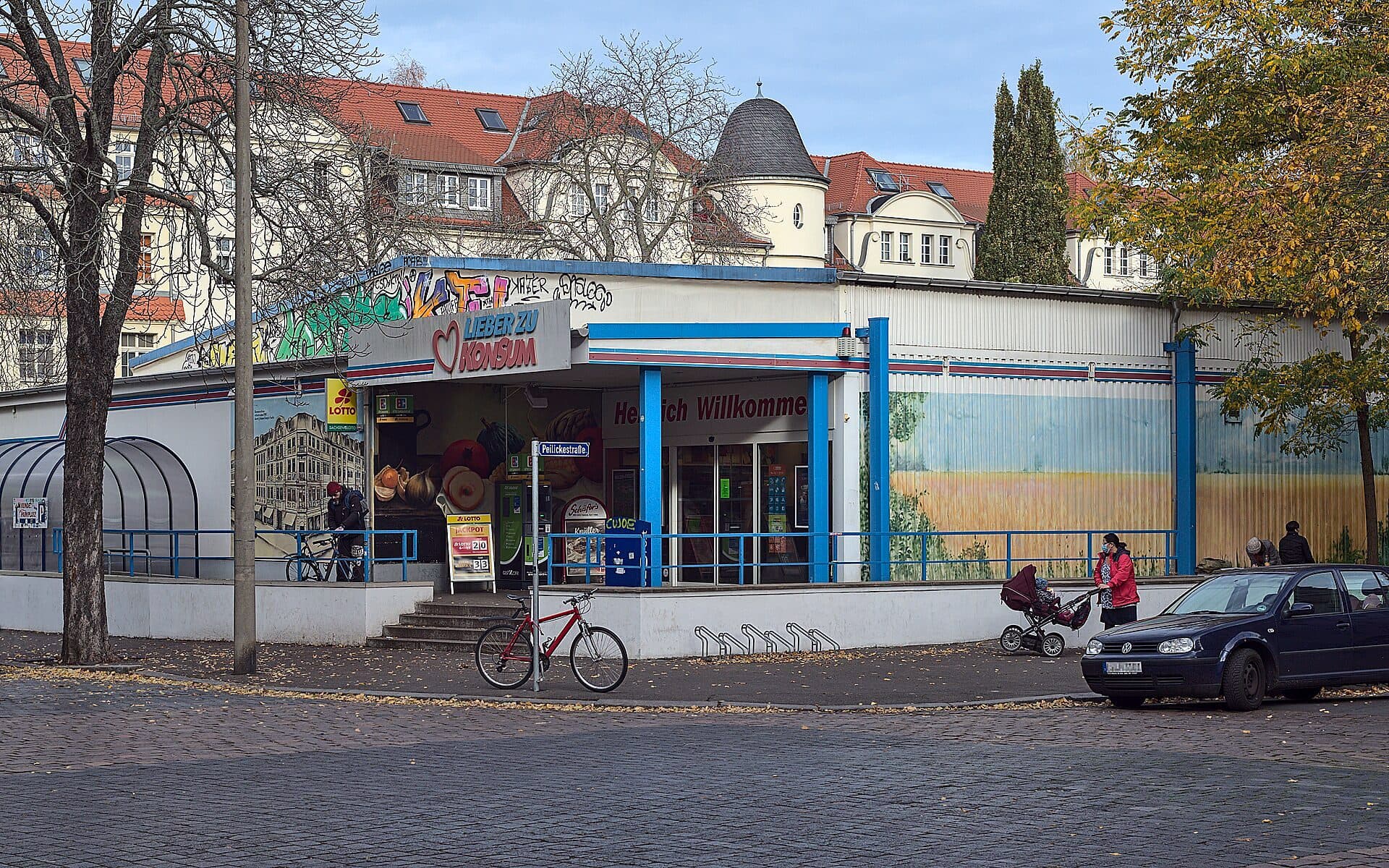
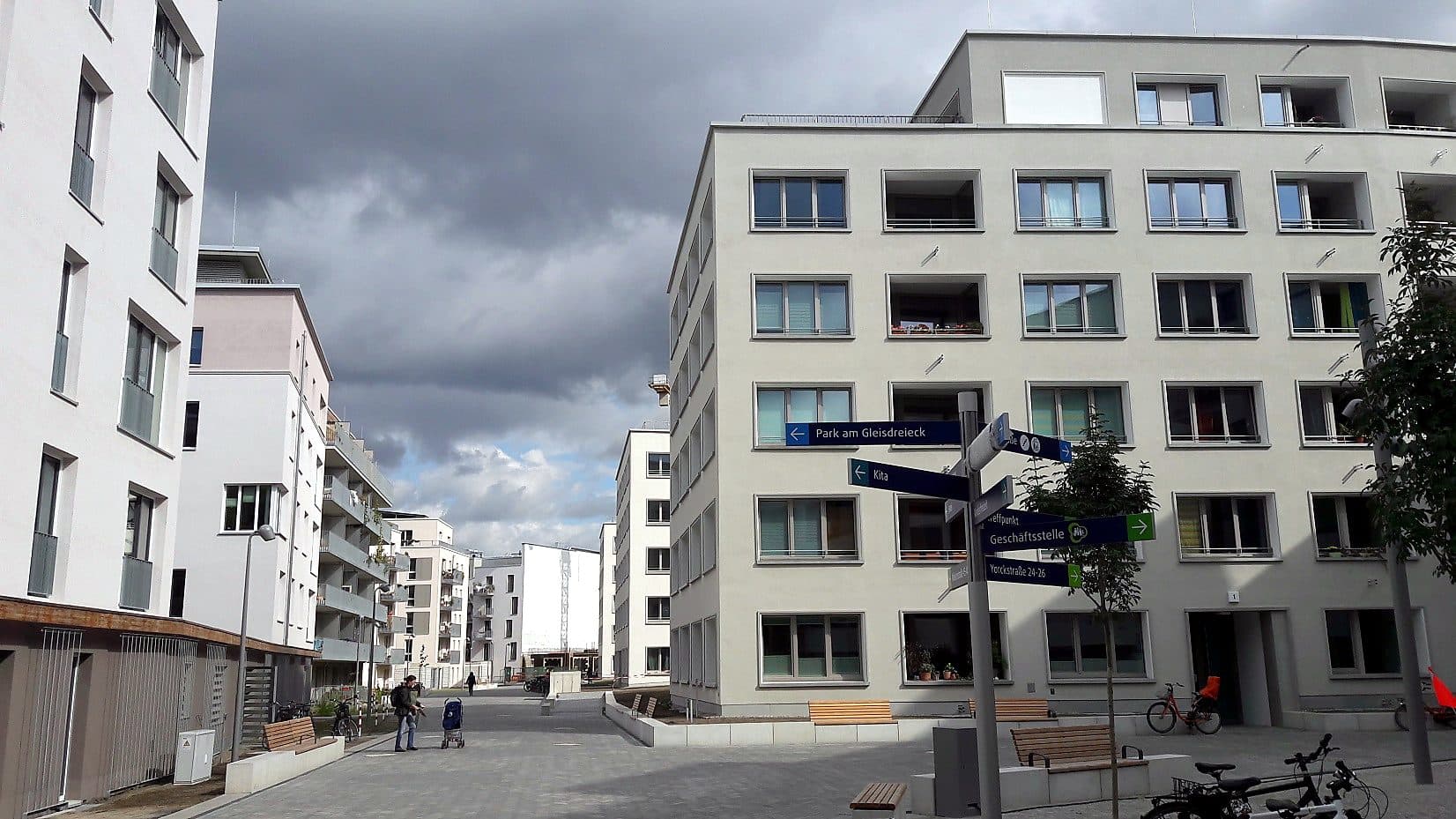
Real cooperatives in Germany, photographed on location. Full credits on our attributions page.
Overview of the Cooperative Sector in Germany
Germany has one of the world's oldest and most institutionally sophisticated cooperative sectors. With over 8,000 registered Genossenschaften (cooperatives) and more than 22 million memberships, the German cooperative model — known as the Genossenschaft — has influenced cooperative law and practice across Europe and beyond. The legal framework traces to the Genossenschaftsgesetz (Cooperative Law) first enacted in 1867 under Hermann Schulze-Delitzsch and Friedrich Wilhelm Raiffeisen, the twin founders of German cooperativism.
German cooperatives are particularly dominant in banking and finance: over 700 Volksbanken and Raiffeisenbanken (people's banks and rural banks) serve 30 million members with combined assets exceeding €1.2 trillion, making the cooperative banking sector the largest by branch network in Germany. DZ Bank AG serves as the apex institution and central bank for the cooperative banking sector.
In retail, EDEKA (with over 11,000 supermarkets) and the Rewe Group are both organized as cooperative structures, together accounting for roughly 40% of German food retail. Housing cooperatives (Wohnungsgenossenschaften) provide affordable, security-of-tenure housing to over 2 million households, a model increasingly valued as Germany faces acute housing shortages.
Types of Cooperatives in Germany
Cooperative Banks (Volksbanken & Raiffeisenbanken)
Over 700 cooperative banks serve 30 million members through 8,000+ branches. Raiffeisen banks historically served rural areas; Volksbanken served urban craftsmen and workers. Both now serve broad retail and SME banking markets.
Retail Cooperatives
EDEKA cooperative (11,000+ stores, €70B+ revenue) and Rewe Group are cooperative-structured food retailers. Independent retailers join as members, benefiting from collective purchasing, logistics, and marketing.
Housing Cooperatives (Wohnungsgenossenschaften)
Over 2,000 housing cooperatives manage approximately 2.2 million dwellings. Members purchase a membership share for security of tenure — a unique model offering protection from eviction while retaining cooperative governance.
Agricultural Cooperatives
Raiffeisen-organized agri cooperatives handle grain storage, input supply, and dairy processing. Deutsches Raiffeisenverband (DRV) is the apex for 2,200+ agricultural and food cooperatives.
Energy Cooperatives (Energiegenossenschaften)
Over 800 energy cooperatives operate community solar, wind, and biogas projects, part of Germany's Energiewende (energy transition). Citizens invest in local renewable energy assets through cooperative shares.
Notable Cooperatives in Germany
DZ Bank Group
Banking (Cooperative Apex)DZ Bank is the central institution of the German cooperative banking network (Volksbanken/Raiffeisenbanken), providing clearing, investment banking, and product services. Total assets exceed €600 billion; combined cooperative banking group assets exceed €1.2 trillion.
EDEKA Group
Retail / ConsumerGermany's largest food retailer, organized as a cooperative of independent retailers. Over 3,700 independent retailer-members operate 11,000+ stores under the EDEKA banner, generating over €70 billion in annual turnover. Germany's biggest employer by number of businesses.
BVR (Bundesverband der Deutschen Volksbanken und Raiffeisenbanken)
Banking ApexThe national association for German cooperative banks, representing over 700 Volksbanken and Raiffeisenbanken with 30 million members. BVR runs the sector's institutional protection scheme, meaning member bank deposits are protected by the cooperative banking group itself.
Deutsches Raiffeisenverband (DRV)
Agricultural / ApexThe apex for agricultural, food, and rural cooperative sectors in Germany, representing over 2,200 cooperatives with combined revenues exceeding €80 billion. Includes dairy, grain, meat, wine, and agri-retail cooperatives.
Regulatory Framework
| Primary Legislation | Genossenschaftsgesetz (GenG) — German Cooperative Law, first enacted 1867, substantially revised 2006 to include small cooperatives (Kleingenossenschaften) |
| Regulator | Local courts (Amtsgerichte) for registration; sector-specific auditing associations (Prüfungsverbände) for mandatory audits |
| Key Year | 1867 (original); 2006 (major revision) |
| Notes | Every German cooperative must join a Prüfungsverband (cooperative auditing association) and undergo mandatory audits. The 2006 reform introduced simplified rules for small cooperatives (under 20 members), lowering the entry barrier significantly. |
How to Form a Cooperative in Germany
- 1
Draft the Satzung (articles/statutes) defining name, purpose, registered office, membership terms, governance structure, and audit association
- 2
Convene a founding meeting with at least 3 founder members who adopt the Satzung
- 3
Apply to join a Prüfungsverband (cooperative auditing association) — mandatory before registration
- 4
Submit registration application to the local Amtsgericht (registration court) with: Satzung, list of board members, declaration of auditing association membership
- 5
Pay court registration fee
- 6
Publication in the commercial register (Genossenschaftsregister) — cooperative is legally formed upon registration
- 7
Maintain annual audits by the Prüfungsverband and file annual accounts
Frequently Asked Questions — Cooperatives in Germany
What is a Genossenschaft?
Genossenschaft is the German word for cooperative. It is a specific legal form (eG — eingetragene Genossenschaft, or registered cooperative) governed by the Genossenschaftsgesetz. Members share in the cooperative's assets and have limited personal liability. Every Genossenschaft must join a cooperative auditing association and undergo regular audits.
Who are Schulze-Delitzsch and Raiffeisen?
Hermann Schulze-Delitzsch (1808–1883) founded the first cooperative banks for urban craftsmen and workers in Germany. Friedrich Wilhelm Raiffeisen (1818–1888) founded rural cooperative credit associations for farmers. Together, they are considered the founders of the German and European cooperative banking tradition, and their models spread globally.
How does EDEKA work as a cooperative?
EDEKA is a federated cooperative where independent food retailers own membership shares in their regional EDEKA wholesale cooperative. The regional cooperatives are in turn members of the national EDEKA federation. This structure allows small independent retailers to benefit from large-scale purchasing, logistics, and marketing while maintaining their local independence.
What is a Wohnungsgenossenschaft in Germany?
A Wohnungsgenossenschaft (housing cooperative) is a cooperative that owns and manages residential properties. Members purchase a share (Genossenschaftsanteil) — typically a few thousand euros — and receive a permanent tenancy right (Dauernutzungsrecht). They cannot be evicted as long as they are members, providing exceptional security of tenure in Germany's tight housing market.
Learn More
Cooperatives in Germany — In-Depth Guide
History, legislation, notable organisations, and sector breakdowns.
Find Cooperatives in Germany
Browse 26,000+ cooperatives by sector, country, and size in our free directory.