Cooperatives in Japan

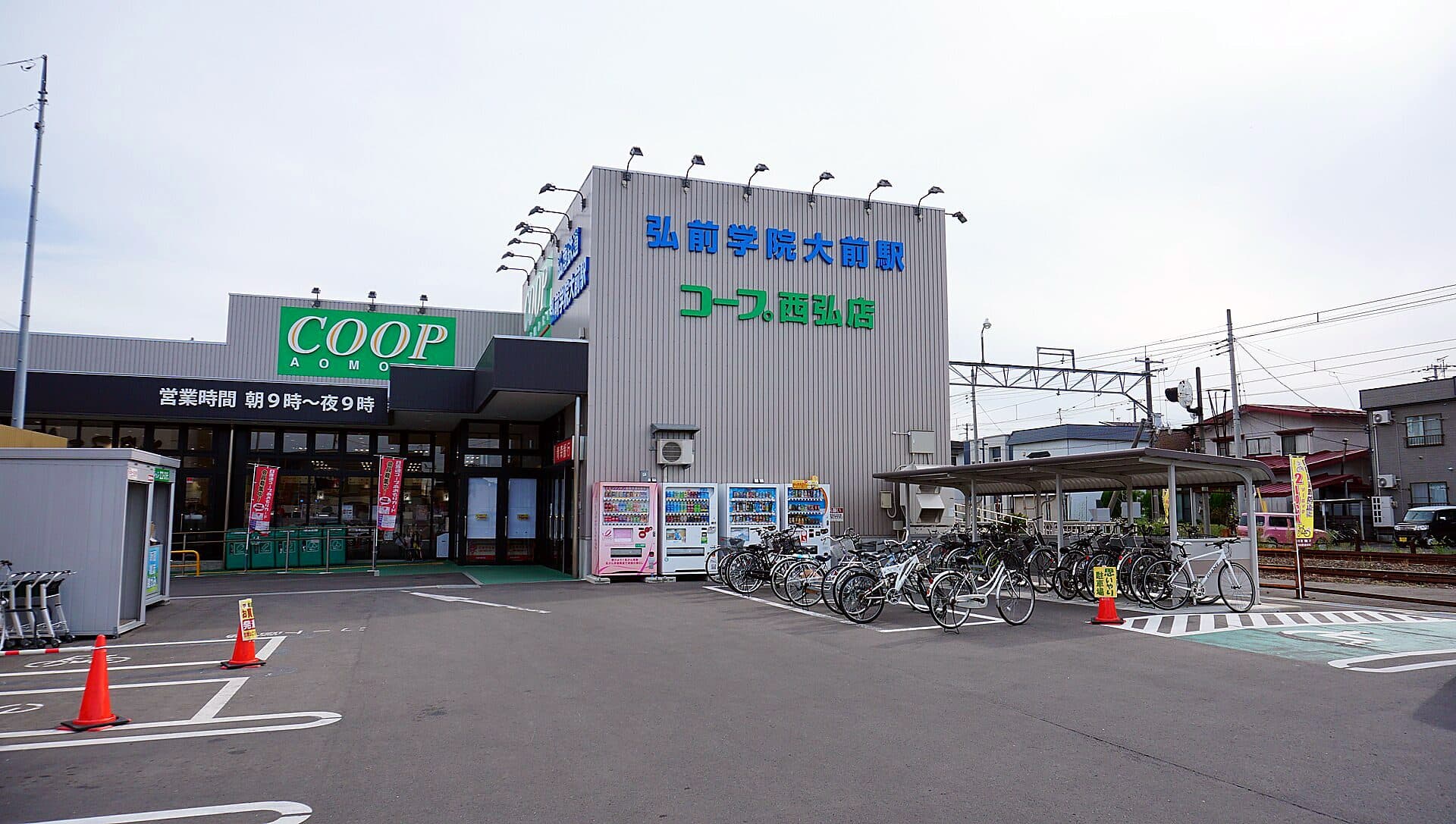

Real cooperatives in Japan, photographed on location. Full credits on our attributions page.
Overview of the Cooperative Sector in Japan
Japan has one of the largest cooperative sectors in the world, with approximately 90,000 cooperatives governed by a unique system of sector-specific laws rather than a single overarching cooperative act. Japan's cooperative economy is dominated by two enormous systems: the JA Group (Japan Agricultural Cooperatives) covering agriculture and rural finance, and CO-OP Japan (National Federation of Workers and Consumer Cooperatives) serving urban consumers.
The JA Group — organized under Zenno (National Federation of Agricultural Cooperatives) and Zenchukai (Central Union) — is one of the most powerful agricultural organizations in the world. With over 10 million farmer and associate members and assets exceeding ¥100 trillion (roughly $700 billion USD), the JA system provides comprehensive services to Japan's farming communities including input supply, marketing, insurance (JA Kyosai), banking (Norinchukin Bank), and veterinary services.
Consumer cooperatives in Japan operate through a distinctive home delivery (haitai) system, where CO-OP Japan's 29 million members receive weekly deliveries of fresh food, processed goods, and household items ordered through printed or digital catalogues. This model, developed from the 1960s, gives consumer cooperatives a significant share of Japan's food retail market outside of conventional supermarkets.
Types of Cooperatives in Japan
Agricultural Cooperatives (JA)
Governed by the Agricultural Cooperative Law (1947). The JA system's ~600 primary cooperatives cover input supply, produce marketing, farm finance, mutual insurance, and rural development across Japan's 47 prefectures.
Consumer Cooperatives
Governed by the Consumer Cooperative Law (1948). CO-OP Japan represents 31 regional consumer cooperatives with combined membership of 29 million and revenue of ¥3.5 trillion. Famous for weekly home delivery (han delivery) and food safety standards.
Fisheries Cooperatives (JF)
Governed by the Fisheries Cooperative Law (1948). Japan Fisheries Cooperatives (JF Zengyoren) represents approximately 900 fisheries cooperatives covering coastal, offshore, and aquaculture fishing communities.
Medical Cooperatives
A distinctive Japanese cooperative type: medical cooperatives (Iryo Kyodo Kumiai) own and operate hospitals and clinics for members. The Japanese Health and Welfare Cooperative Federation represents over 2 million members receiving cooperative-managed healthcare.
Workers Cooperatives (Rodo sha Kyodo Kumiai)
Formalized under the Workers Cooperative Law enacted in 2020 (in force 2022), allowing workers to incorporate as cooperative businesses. This was a significant modernization as Japan previously lacked a specific legal form for worker cooperatives.
Notable Cooperatives in Japan
JA Group (Zenno / Zenchukai)
Agricultural / FinancialJA Group is Japan's largest cooperative system: 600+ primary JA cooperatives, prefectural federations, and national bodies. Norinchukin Bank (the JA financial apex) has assets exceeding ¥50 trillion. JA Kyosai is Japan's largest mutual insurance operator by agricultural policy count. The system wields significant political influence through the farmland protection policies it supports.
CO-OP Japan (JA Coop / JCCU)
ConsumerJapan Consumer Co-operative Union (JCCU) is the national federation of consumer cooperatives. 29 million members across 31 regional federations, ¥3.5 trillion in annual revenue. The home-delivery (haitai) system pioneered by CO-OP Japan is a global model for cooperative direct distribution to households.
Norinchukin Bank
Banking / AgriculturalThe central bank and financial apex of the JA agricultural cooperative system. With ¥50+ trillion in assets, Norinchukin is one of Japan's largest financial institutions, investing agricultural cooperative deposits in Japanese and international fixed-income markets.
JA Kyosai (JA Mutual Life Insurance)
Insurance (Agricultural)The mutual life and non-life insurance operation of the JA agricultural cooperative system, operating under the Mutual Insurance Products Law. One of Japan's largest insurance operators with tens of millions of farm household policies.
Regulatory Framework
| Primary Legislation | Agricultural Cooperative Law (1947); Consumer Cooperative Law (1948); Fisheries Cooperative Law (1948); Workers Cooperative Law (2020, in force 2022) |
| Regulator | Ministry of Agriculture, Forestry and Fisheries (MAFF) — JA and fisheries; Consumer Affairs Agency — consumer co-ops; Ministry of Health, Labour and Welfare — workers and medical co-ops |
| Key Year | 1947–1948 (core laws); 2020 (Workers Cooperative Law) |
| Notes | Japan uses sector-specific cooperative laws rather than a single cooperative act. The 2020 Workers Cooperative Law was a landmark reform allowing diverse worker-owned enterprises to incorporate in a recognized legal form for the first time. |
How to Form a Cooperative in Japan
- 1
Identify the applicable sector law: agricultural, consumer, fisheries, forestry, or workers cooperative
- 2
For consumer cooperatives: form a preparatory committee, draft articles and bylaws, and convene a founding general meeting with the prescribed minimum membership
- 3
File registration with the relevant prefectural governor's office (consumer co-ops) or MAFF (agricultural and fisheries co-ops)
- 4
Submit: articles of association (teikan), list of executive officers, minutes of founding general meeting, financial plan
- 5
Pay registration fee as prescribed by the relevant ministry
- 6
For worker cooperatives under the 2020 law: register with the relevant Legal Affairs Bureau (Homukyoku) as a special form of cooperative corporation
- 7
Maintain compliance with annual reporting requirements to the supervising ministry or prefectural authority
Frequently Asked Questions — Cooperatives in Japan
What is the JA Group in Japan?
JA stands for Japan Agricultural Cooperatives (農業協同組合, Nōgyō Kyōdō Kumiai). The JA Group is a comprehensive cooperative system covering input supply, marketing, banking (Norinchukin), insurance (JA Kyosai), and rural services for Japan's farming communities. It has over 10 million members and ¥100+ trillion in assets across its financial subsidiaries.
How does the CO-OP Japan home delivery system work?
CO-OP Japan members order food and household goods weekly via printed catalogues or digital apps. Orders are delivered to members' homes or to a designated neighborhood group (han) for collective pickup. This model gives cooperative consumer choice outside conventional retail channels and allows strict food safety and traceability standards.
Does Japan have a general cooperative law?
No. Japan uses sector-specific cooperative laws: the Agricultural Cooperative Law (1947), Consumer Cooperative Law (1948), Fisheries Cooperative Law (1948), and others. The Workers Cooperative Law (2020, in force 2022) is the most recent addition, finally creating a legal form for worker-owned cooperative businesses.
What did Japan's 2020 Workers Cooperative Law change?
Before 2020, Japan lacked a specific legal form for worker cooperatives, forcing worker-owned enterprises to use general company law or NPO frameworks. The Workers Cooperative Law (enacted 2020, in force October 2022) created a dedicated legal form — the Rodo sha Kyodo Kumiai — allowing workers to incorporate with democratic governance, limited liability, and cooperative principles recognized in law.
Learn More
Cooperatives in Japan — In-Depth Guide
History, legislation, notable organisations, and sector breakdowns.
Find Cooperatives in Japan
Browse 26,000+ cooperatives by sector, country, and size in our free directory.