Cooperatives in South Africa
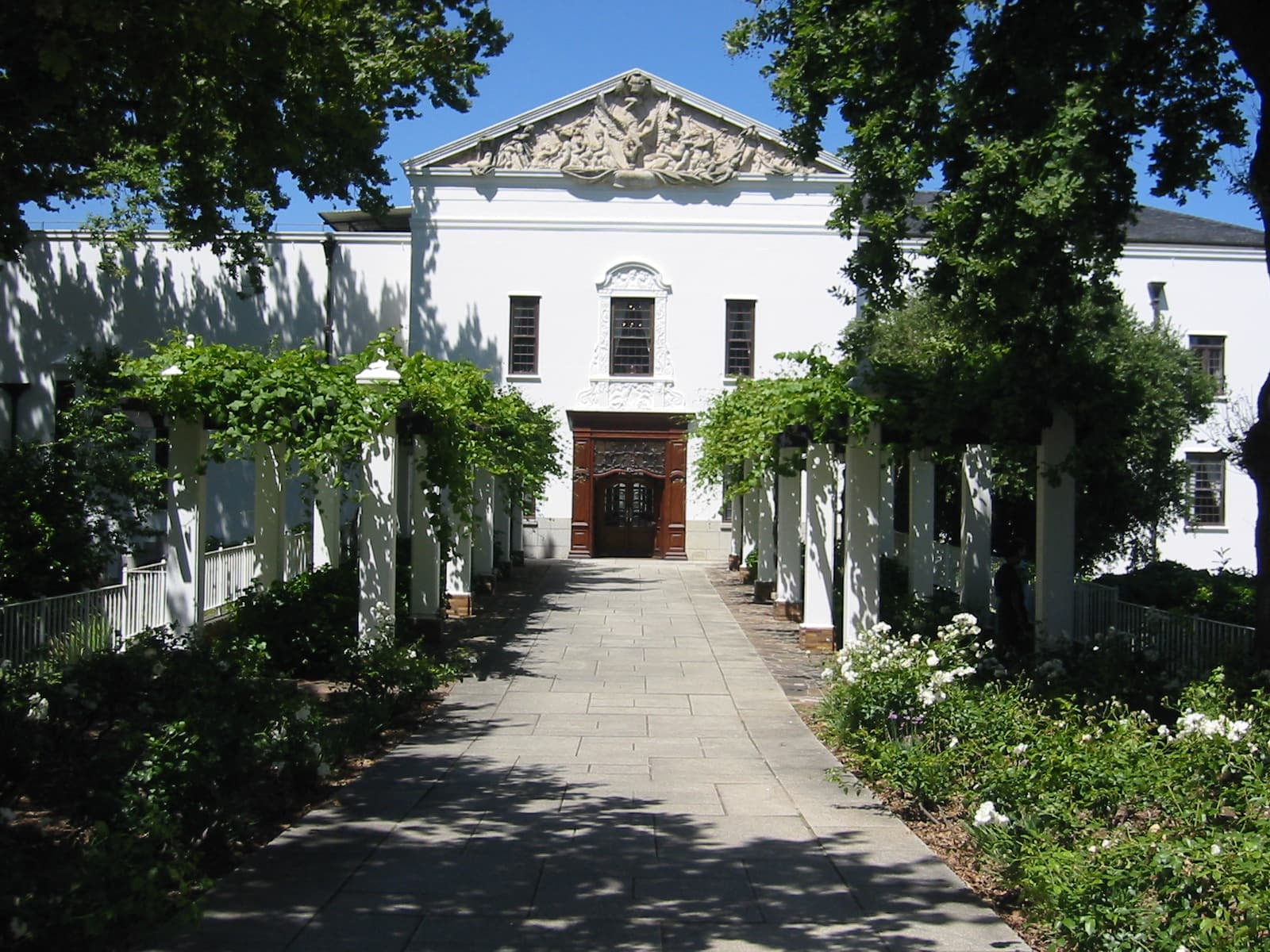
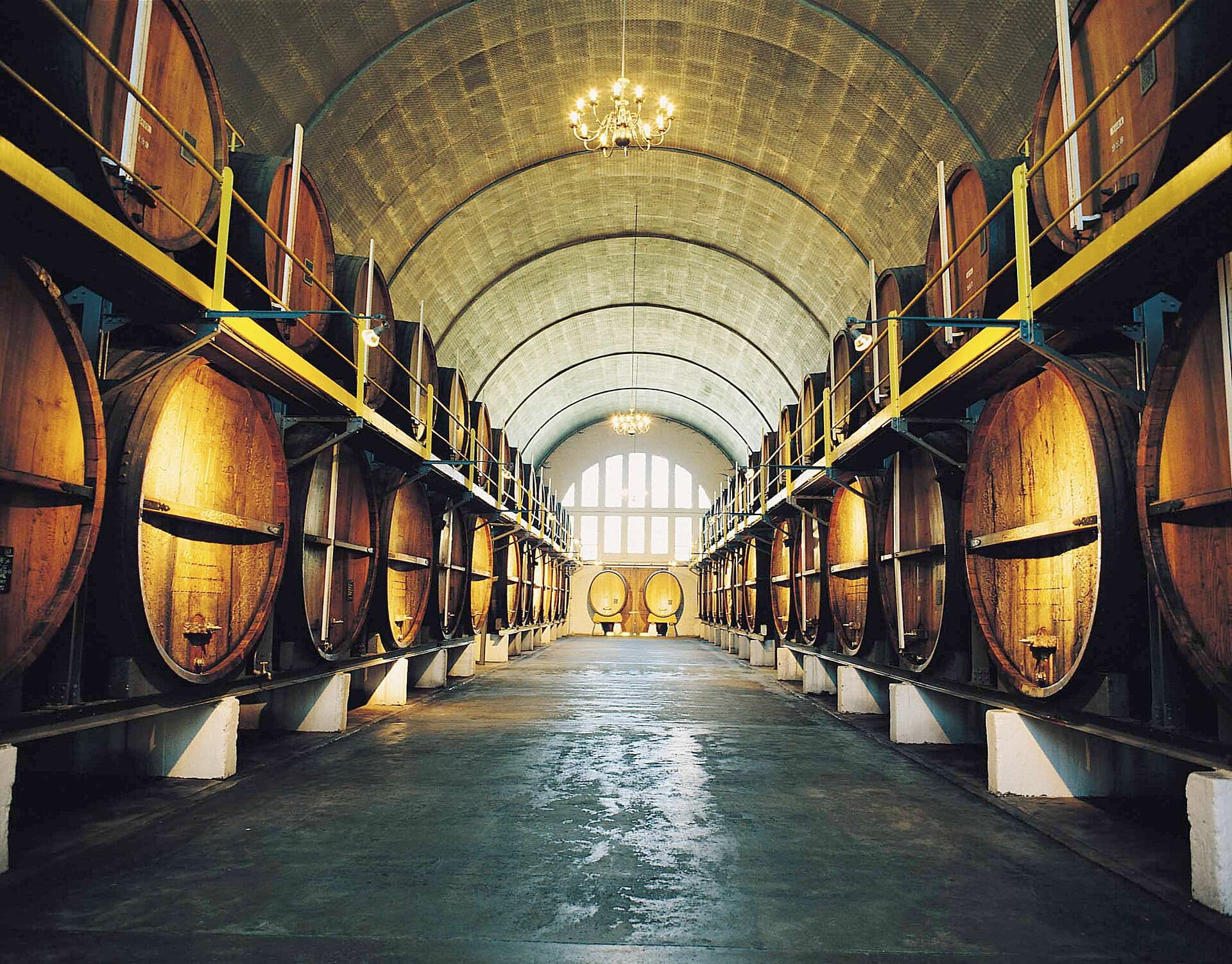
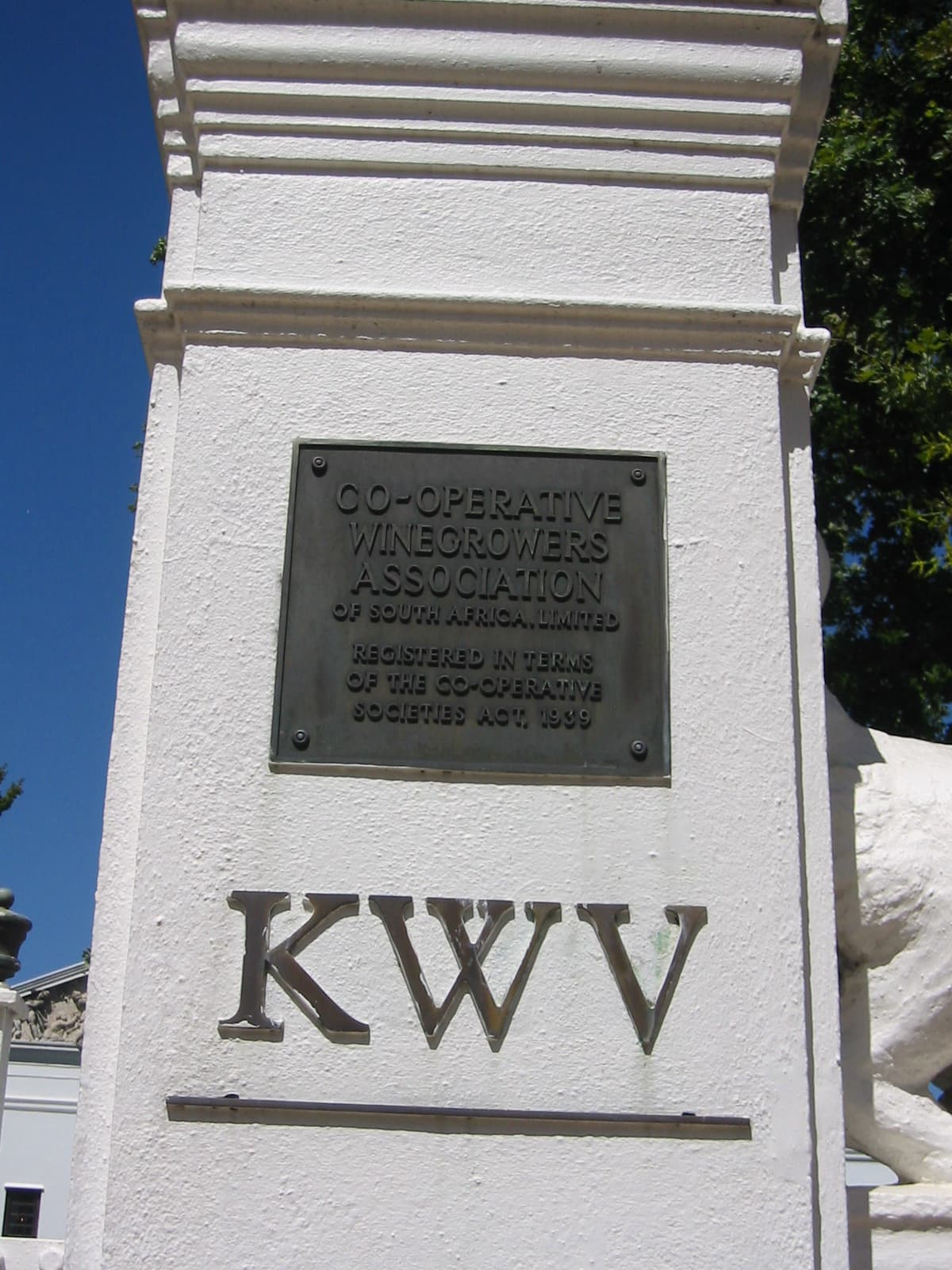
Real cooperatives in South Africa, photographed on location. Full credits on our attributions page.
Overview of the Cooperative Sector in South Africa
South Africa has over 120,000 registered cooperatives — one of the highest totals on the African continent — but the headline number conceals a deep structural problem: the majority of these cooperatives are dormant or effectively non-functional within five years of registration. The sector spans commercial agriculture (TWK Agriculture, VKB Agri), township worker cooperatives, and the massive informal stokvel economy.
South Africa's cooperative legal framework is established by the Cooperatives Act 14 of 2005 (amended 2013). Cooperatives register with the Companies and Intellectual Property Commission (CIPC), a deliberately low-barrier process intended to make formal cooperative status accessible to historically disadvantaged communities. The policy department — the Department of Trade, Industry and Competition (DTIC) — runs the Co-operatives Development Incentive (CDI), providing non-repayable grants of R50,000–R350,000 to qualifying emerging cooperatives.
Parallel to the formal cooperative sector, stokvels — informal rotating savings clubs operating outside the Cooperatives Act — serve approximately 11 million South Africans and circulate an estimated R50 billion per year. That capital pool exceeds most formal cooperative banking sectors in sub-Saharan Africa. Burial societies, a variant of the stokvel model, provide mutual insurance for funeral costs to millions more South Africans.
Types of Cooperatives in South Africa
Agricultural Cooperatives
Legacy commercial agricultural cooperatives (TWK Agriculture, VKB Agri, NTK) serve commercial grain and livestock farmers. Emerging cooperatives supported by DTIC grants operate in fruits, vegetables, and smallholder farming in land reform areas.
Stokvels (Informal Financial Cooperatives)
Rotating savings clubs operating outside formal law, serving 11 million+ South Africans with R50 billion/year in capital. Types include rotating credit stokvels, grocery stokvels, investment stokvels, and burial societies.
Worker Cooperatives
Operate in construction, waste management, recycling, cleaning, and home-based care. The National Youth Development Agency (NYDA) supports township youth cooperatives. Post-2013 reforms improved the governance framework.
Notable Cooperatives in South Africa
TWK Agriculture
AgriculturalOperates in Mpumalanga and KwaZulu-Natal, providing grain handling, animal feeds, mechanisation, and retail farm supplies through a traditional cooperative structure. Remains cooperative unlike Afgri, which converted to a company.
VKB Agri (Vrystaat Koöperasie)
AgriculturalOperates in the Free State and Limpopo provinces providing grain storage, processing, and agricultural inputs. Has diversified into financial services and retail through its cooperative structure.
KWV (historical)
Wine (demutualised)Founded in 1918 as a wine cooperative, KWV became one of the world's largest wine cooperatives controlling the South African wine industry for most of the 20th century. It listed on the JSE in 2018, fully ending its cooperative structure.
Regulatory Framework
| Primary Legislation | Cooperatives Act 14 of 2005 (amended by Cooperatives Amendment Act, 2013) |
| Regulator | CIPC (Companies and Intellectual Property Commission) + DTIC (policy) |
| Key Year | 2005 |
| Notes | Minimum 5 members required to form a primary cooperative. CIPC registration fee is R125. The 2013 amendment created differentiated cooperative types (primary, secondary, tertiary, apex) and introduced the Cooperatives Tribunal for dispute resolution. |
How to Form a Cooperative in South Africa
- 1
Assemble a minimum of 5 founding members with a common economic purpose
- 2
Choose a cooperative name (must include 'Cooperative' or 'Kooperasie') and check availability with CIPC
- 3
Adopt a cooperative constitution — CIPC provides a model constitution that can be adapted
- 4
Register online via the CIPC portal (www.cipc.co.za) — submit completed registration form, constitution, and member details
- 5
Pay registration fee (currently R125 for a primary cooperative)
- 6
Receive Certificate of Incorporation from CIPC
- 7
Apply for the DTIC Co-operatives Development Incentive (CDI) if the cooperative meets eligibility criteria (historically disadvantaged, less than 5 years old)
Related Cooperative Sectors
Frequently Asked Questions — Cooperatives in South Africa
How many cooperatives are registered in South Africa?
South Africa has over 120,000 registered cooperatives — one of the highest totals in Africa. However, studies by the DTIC and the ILO estimate that only 20–30% are actively operating. The majority register, sometimes receive government grants, and then become dormant within five years.
What is a stokvel and is it different from a cooperative?
A stokvel is an informal rotating savings club operating outside the Cooperatives Act — no registration, no legal status, no external oversight. It runs on member trust. South Africa has approximately 11 million stokvel participants circulating R50 billion per year. A cooperative is formally registered with CIPC, governed by the Cooperatives Act, and subject to governance and audit requirements.
What support does the DTIC provide to cooperatives?
The Department of Trade, Industry and Competition runs the Co-operatives Development Incentive (CDI), providing non-repayable grants of R50,000–R350,000 to qualifying cooperatives from historically disadvantaged communities for equipment, working capital, and business development. The DTIC also provides cooperative training programs and incubation through its Enterprise and Supplier Development division.
Learn More
Cooperatives in South Africa — In-Depth Guide
History, legislation, notable organisations, and sector breakdowns.
Find Cooperatives in South Africa
Browse 26,000+ cooperatives by sector, country, and size in our free directory.