What Are Food Cooperatives?
A food cooperative is a retail food store owned and operated by its members — the community of shoppers, workers, or both who depend on it. Food cooperatives are among the oldest forms of consumer cooperative, with roots in the 19th-century British cooperative movement and the Rochdale Pioneers' store of 1844. In the United States, the food cooperative movement experienced a major revival in the 1970s counterculture, when hundreds of natural food buying clubs and storefronts emerged across college towns and urban neighbourhoods.
Unlike conventional grocery stores owned by distant shareholders, food cooperatives are accountable to their local community. Members vote on which products to stock, whether to prioritise local suppliers, how to price goods, and what labour standards to uphold. This democratic accountability produces food stores that reflect community values in ways that chain supermarkets cannot: Park Slope Food Coop in Brooklyn pays no advertising and has a no-external-investor rule; Weaver Street Market in North Carolina provides above-market wages and benefits to all staff, including part-time workers.
The food cooperative model has proved durable and scalable. National Co+op Grocers (NCG) is a cooperative of cooperatives that supports 148 food co-ops in 38 US states, with combined annual sales of $2.5 billion. Individual food co-ops serve communities ranging from small towns in Vermont to urban neighbourhoods in Minneapolis, Denver, and Seattle, providing fresh, locally-sourced food with transparent pricing and deep community roots.
How Food Cooperatives Work
- 1
Community members pay a membership fee (often a one-time payment or installment plan) to become co-owners.
- 2
The cooperative opens and operates a food store, sourcing products according to member-approved values (local, organic, fair trade, etc.).
- 3
Some food co-ops require member labour (like Park Slope's 2.75 hours/month) in exchange for lower prices; others employ professional staff.
- 4
Governance is democratic: members vote on board candidates, major policies, and sometimes individual sourcing decisions.
- 5
Any operating surplus is either reinvested in the store, held in reserves, or returned to members as patronage dividends.
- 6
Food co-ops often join buying cooperatives (like NCG) for group purchasing power and shared back-office services.
Food Cooperatives in the Real World
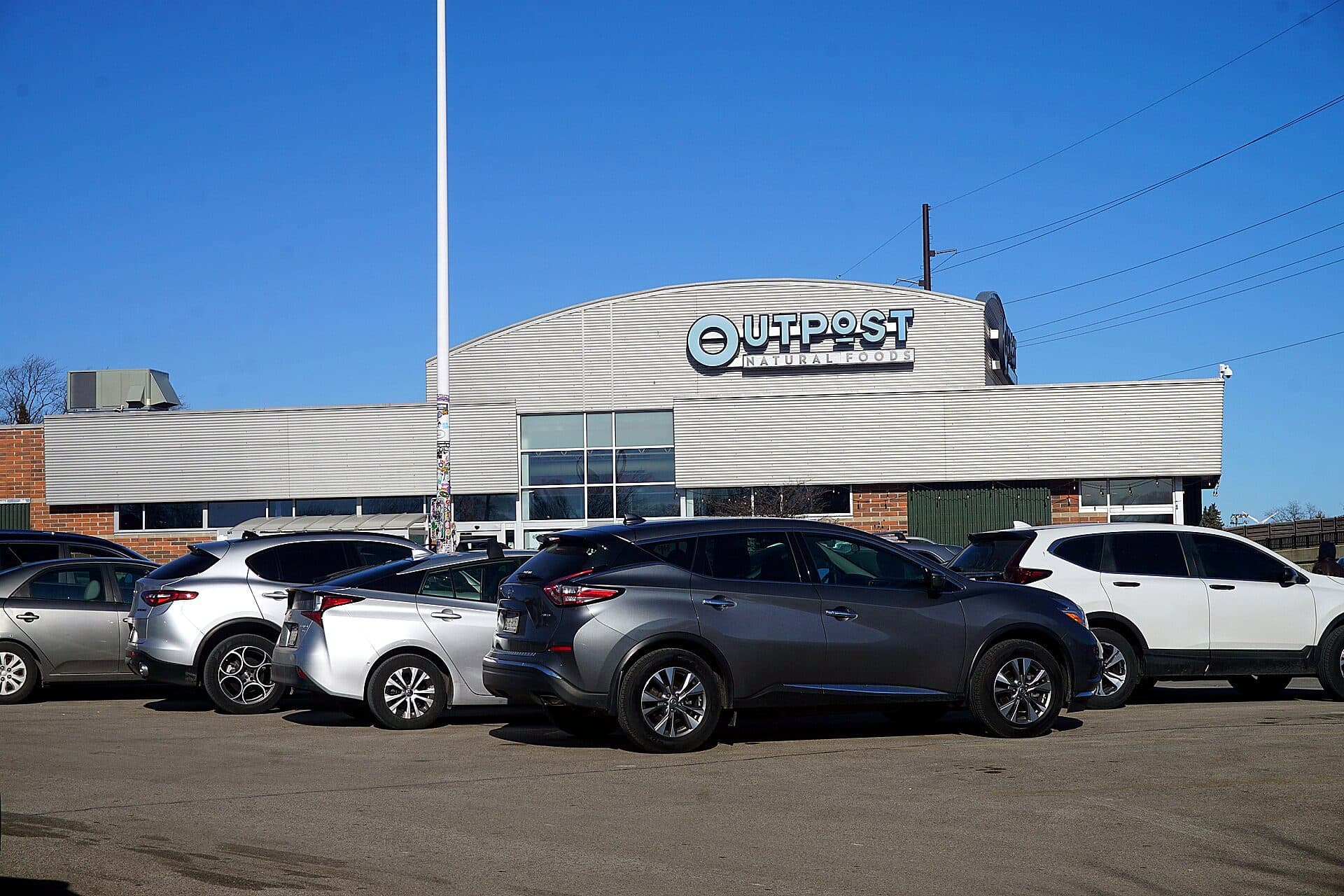
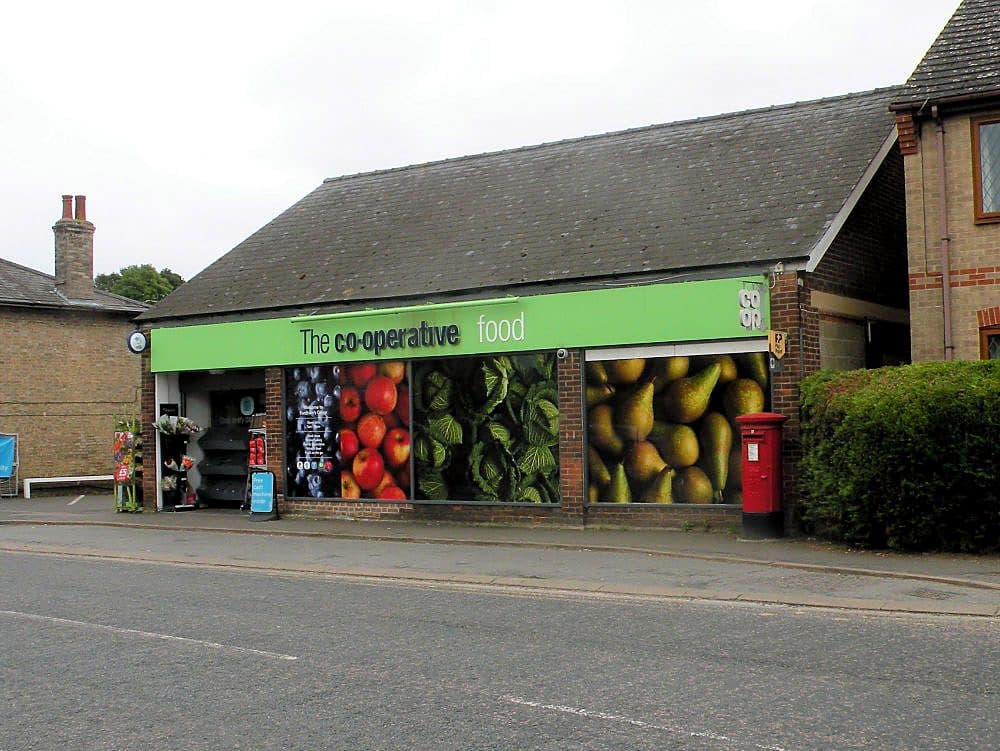
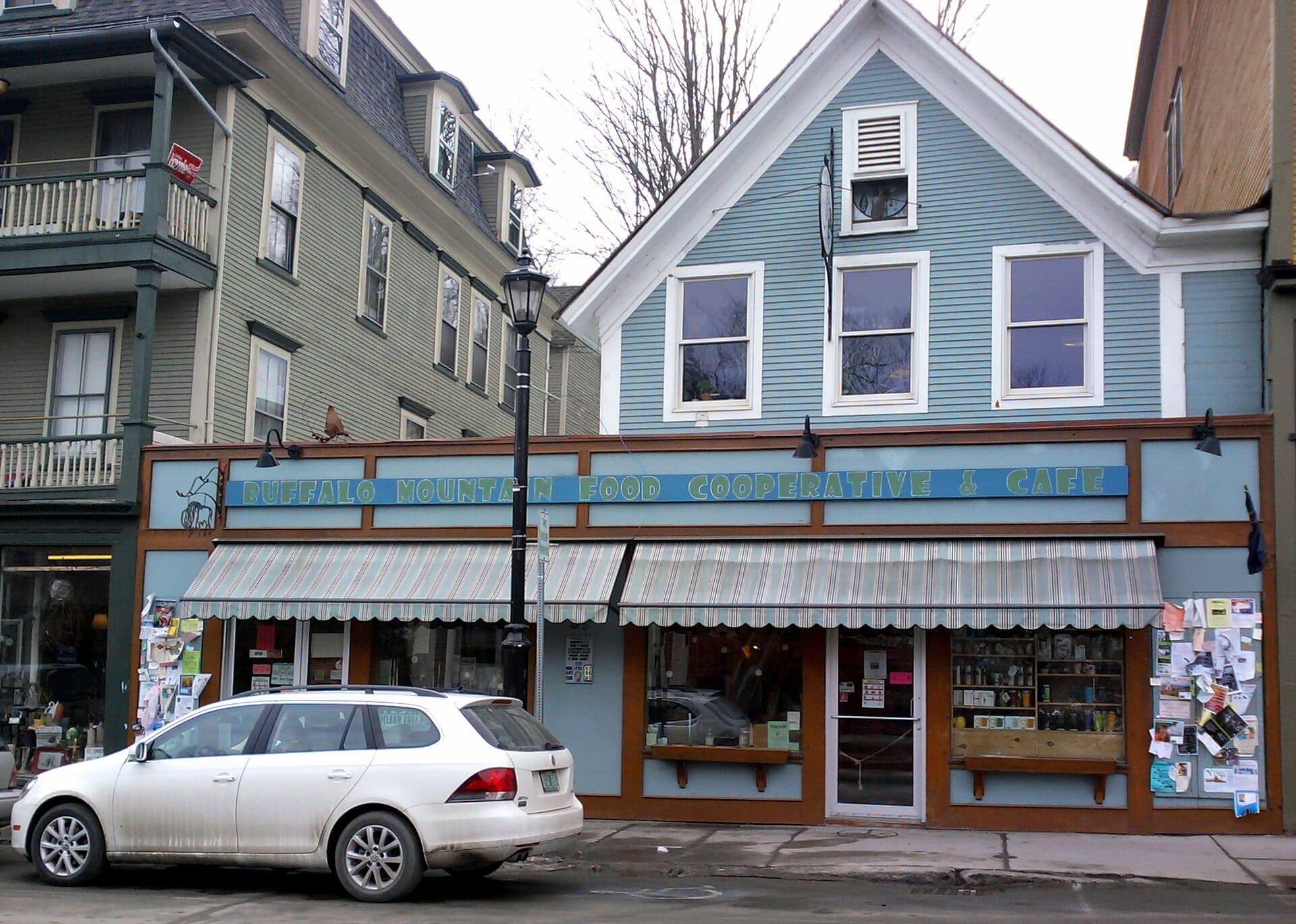
Real cooperatives photographed on location. Full credits on our attributions page.
Major Examples Worldwide
Park Slope Food Coop
United StatesEst. 1973One of the largest and most celebrated food cooperatives in the US. 17,000 member-owners in Brooklyn, each contributing ~2.75 hours of labour per month in exchange for prices 20–40% below retail. Generates ~$50M in annual sales with almost no paid management.
Weaver Street Market
United StatesEst. 1988Four-store food cooperative in the Research Triangle, North Carolina, with both consumer-owner and worker-owner membership classes. Known for above-market wages, comprehensive benefits, and deep local sourcing.
Willy Street Co-op
United StatesEst. 1974Four-location food cooperative in Madison, Wisconsin, with 45,000+ owner-members. One of the largest food co-ops in the US by membership. Annual sales exceed $65 million.
National Co+op Grocers (NCG)
United StatesEst. 1999A cooperative of cooperatives supporting 148 retail food co-ops in 38 states. Provides group purchasing, marketing (including the 'eat.think.coop' campaign), IT, and operational services. Combined member store sales: $2.5 billion.
The People's Food Co-op
United StatesEst. 1970One of the oldest continuously operating natural food cooperatives in the US, based in Ann Arbor, Michigan. Serves as a model for community-owned grocery operations with a strong local sourcing mandate.
Frequently Asked Questions
How much does it cost to join a food cooperative?
Membership fees vary widely. Some co-ops charge a lifetime membership of $100–$300. Others use installment plans ($10/month). A few charge annual fees. Some waive fees entirely for low-income members. The membership fee buys you an ownership share and voting rights; prices in the store may or may not be lower than conventional retailers depending on the cooperative's model.
Are food cooperatives more expensive than conventional supermarkets?
Often yes for conventional products, but the comparison is complex. Food co-ops prioritise organic, local, and fair-trade products that carry genuine cost premiums. Member-labour models like Park Slope achieve prices 20–40% below comparable organic retailers. For members who value the sourcing standards, the price premium is often worth it.
What is the difference between a food cooperative and a health food store?
A health food store is typically owned by outside investors and exists to generate returns for shareholders. It may carry many of the same products as a food cooperative. A food cooperative is owned by its member-community, governed democratically, and returns surplus to members rather than investors. The mission is community food access, not profit maximisation.
How do food cooperatives compete with Whole Foods and Amazon Fresh?
Food cooperatives compete on local sourcing depth (relationships with farms in their region that large chains cannot replicate), community accountability (members can actually vote on what the store carries), and democratic values alignment. They do not compete on pure price or the convenience of large chain logistics. Their competitive advantage is community rootedness.
Learn more in our Wiki
Our in-depth wiki article on Food Cooperatives covers history, governance models, legal frameworks, and global statistics in detail.
Read the Food Cooperatives Wiki Article →Related Sectors
Browse Food Cooperatives
Search our directory of cooperatives worldwide, filtered by sector, country, and size.
Browse Food Cooperatives in the Directory →