Cooperatives in France
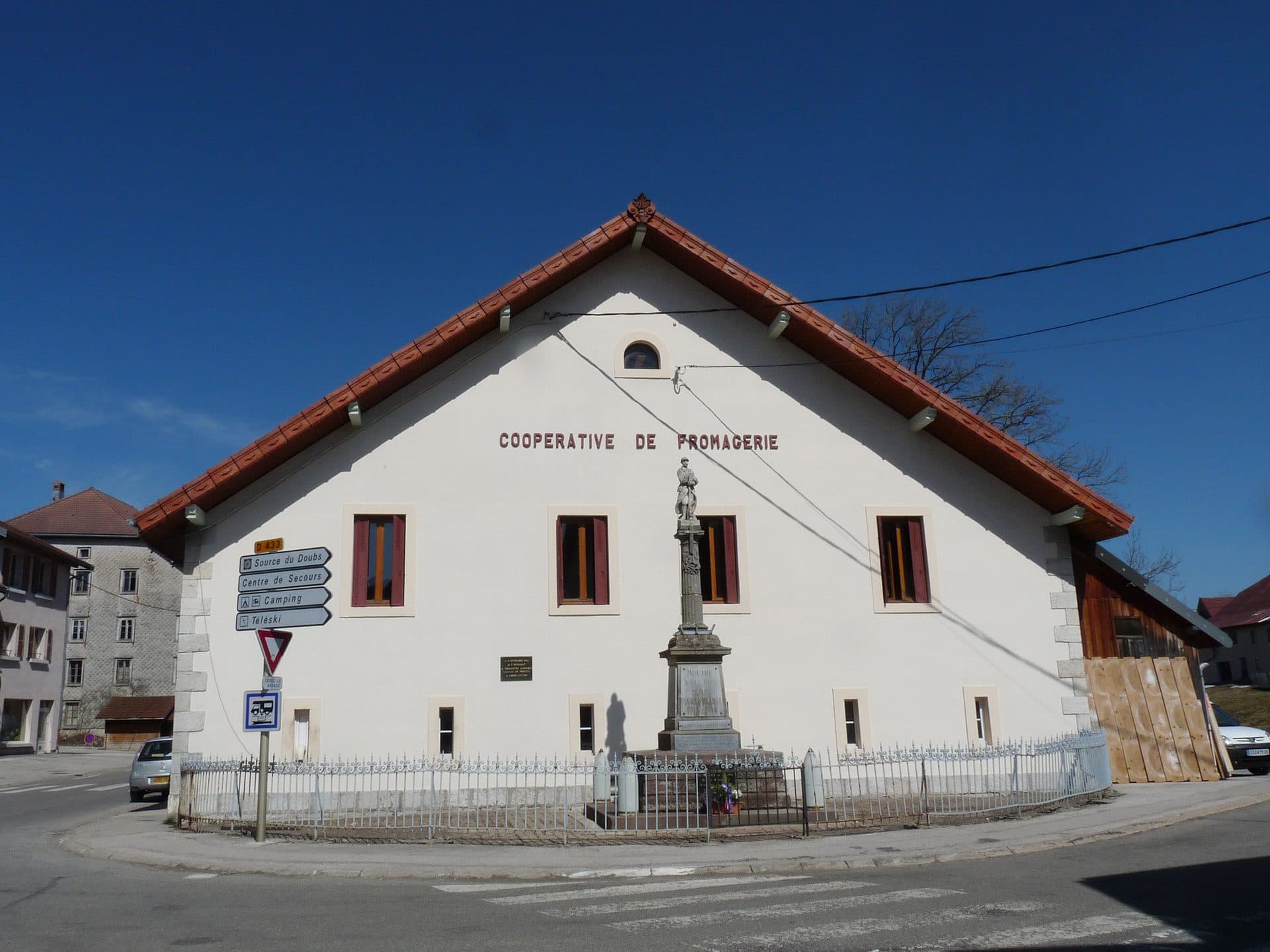
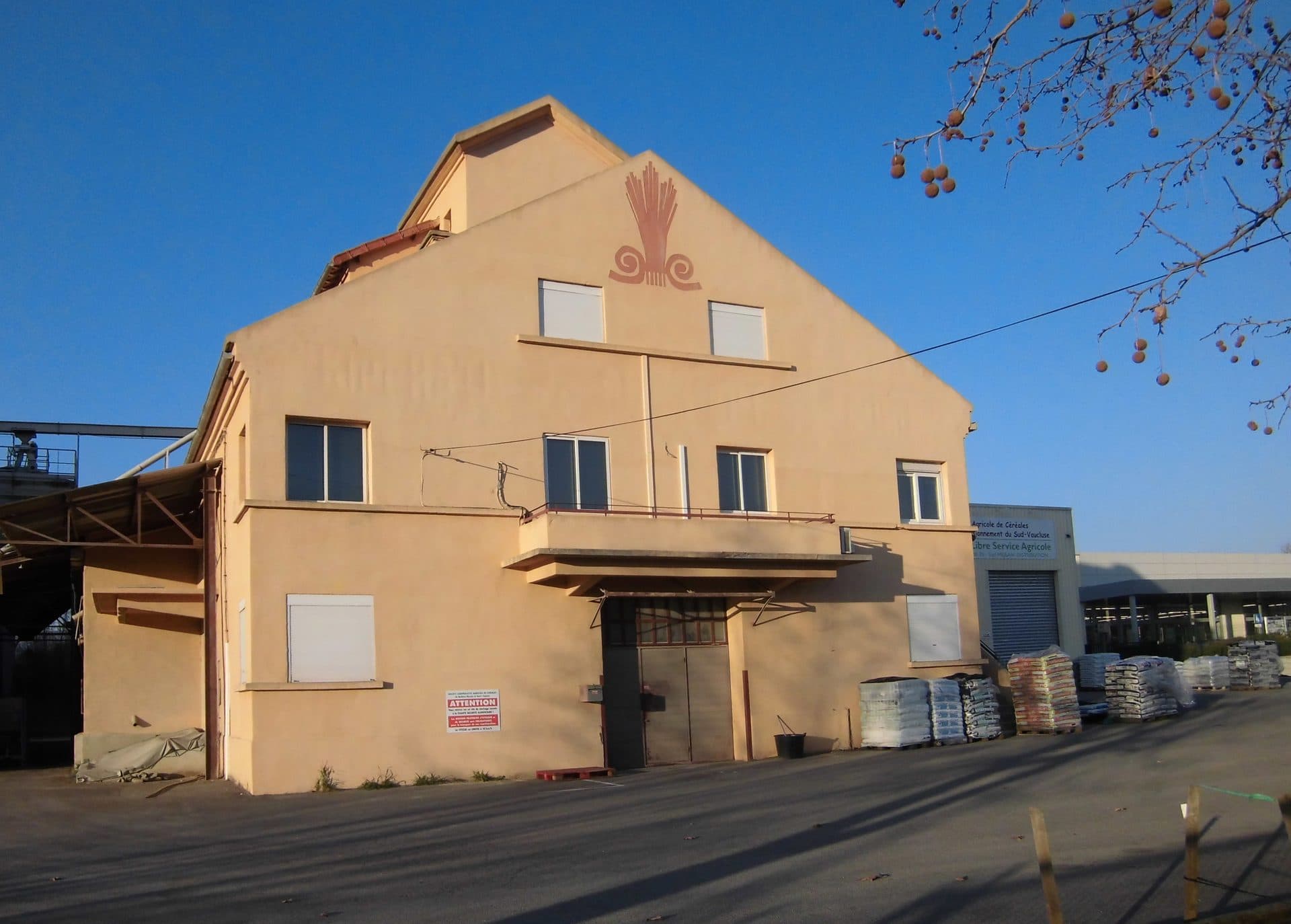

Real cooperatives in France, photographed on location. Full credits on our attributions page.
Overview of the Cooperative Sector in France
France has 23,000 cooperatives with more than 26 million members — roughly 40% of the French population — and the cooperative economy contributes approximately 10% of French GDP. The country is home to the largest cooperative bank in Europe (Crédit Agricole, €2 trillion in assets), the largest French retailer by turnover (E.Leclerc, €50B+ annually), and the world's fourth-largest seed company (Limagrain), all organized on cooperative principles.
The defining regulatory framework is the Law of 10 September 1947, which established France's general cooperative statute still in force today. It defines cooperatives as organizations that serve their members, mandates one-member-one-vote governance, and requires allocation of surplus to indivisible reserves — building long-term capital resilience. The 2014 ESS Law (Loi Hamon) gave formal statutory recognition to the broader social and solidarity economy (économie sociale et solidaire) and strengthened employee buyout mechanisms for SCOP conversions.
France's worker cooperative sector — SCOPs (Sociétés coopératives et participatives) — comprises approximately 14,000 enterprises employing 57,000 workers across engineering, media, architecture, IT, and manufacturing. A parallel form, the SCIC (Société coopérative d'intérêt collectif), allows multi-stakeholder cooperatives combining workers, customers, local authorities, and community members under one governance structure — used extensively in community energy, local food systems, and social care.
Types of Cooperatives in France
Banking Cooperatives
Crédit Agricole (€2T assets, 8.6M shareholders) and Crédit Mutuel (€930B balance sheet, 12M members) are the two largest cooperative banks in Europe. Both trace their origins to rural credit cooperatives founded in the 1890s.
Agricultural Cooperatives
Cave coopératives (cooperative wineries) control significant volume in Languedoc, Roussillon, and Champagne. Limagrain (1,900 farmer-members) is the world's 4th largest seed company. INVIVO Group federates grain cooperatives across France.
SCOPs (Worker Cooperatives)
14,000 SCOP enterprises with 57,000 workers and €9B+ combined turnover. Workers must hold 51%+ of capital and 65%+ of voting rights. Common in professional services, media (Le Monde diplomatique), architecture, and engineering.
Notable Cooperatives in France
Crédit Agricole Group
BankingEurope's largest cooperative bank with ~€2 trillion in total assets. Owned ultimately by 8.6 million cooperative shareholders through 2,400 local caisses and 39 regional cooperative banks. Also France's largest agricultural and home mortgage lender; owns Amundi, Europe's largest asset manager.
E.Leclerc
RetailFrance's largest food retailer by turnover at €50B+ annually and ~700 locations. Structured as a cooperative of independent merchants: each store owner is a member sharing buying power, logistics, and brand, with no external shareholders. Founded 1949 on an anti-margin philosophy.
Limagrain
Agricultural / SeedsOwned by ~1,900 farmer-members in the Limagne region, Limagrain is the world's 4th largest seed company at €1.8B revenue, operating in 55+ countries. Its HM.Clause subsidiary is a leading global vegetable seed brand. Spends ~14% of seed revenue on plant breeding R&D.
Regulatory Framework
| Primary Legislation | Law of 10 September 1947 (general statute) + sector-specific laws for agricultural, banking, and worker cooperatives; ESS Law of 31 July 2014 |
| Regulator | ESS France (federation) + sector regulators (ACPR for banking, CG SCOP for worker coops) |
| Key Year | 1947 |
| Notes | The 1947 statute is the foundational cooperative law. Agricultural cooperatives have additional favorable tax treatment. The 2014 ESS Law (Loi Hamon) strengthened SCOP conversion rights and gave employees priority notification rights before a business sale. |
How to Form a Cooperative in France
- 1
Choose the cooperative form: SCOP (worker-majority), SCIC (multi-stakeholder), agricultural cooperative, consumer cooperative, or credit cooperative
- 2
Draft statutes (governing documents) in accordance with the Law of 10 September 1947 and the relevant sector-specific law
- 3
Convene a founding general meeting with the required minimum members
- 4
Register with the Greffe du Tribunal de Commerce (Companies Registry) for the commercial cooperative forms (SCOP, SCIC)
- 5
For agricultural cooperatives: register with and obtain approval from the relevant agricultural cooperative authority
- 6
For credit cooperatives: obtain authorization from the Autorité de Contrôle Prudentiel et de Résolution (ACPR)
- 7
For SCOPs: notify the CG SCOP federation for technical assistance and listing in the national registry
Related Cooperative Sectors
Frequently Asked Questions — Cooperatives in France
Is Crédit Agricole really a cooperative?
Yes, with qualifications. The Crédit Agricole Group is ultimately owned by 8.6 million cooperative shareholders through local and regional caisse structures. However, Crédit Agricole S.A. — the listed entity — has minority non-cooperative shareholders holding 39%. The cooperative shareholders collectively hold 61% and therefore control the group, but the structure is a hybrid of cooperative ownership and listed company operations.
What is the difference between a SCOP and a SCIC?
A SCOP (Société coopérative et participative) is a worker cooperative where employees must hold at least 51% of capital and 65% of voting rights. A SCIC (Société coopérative d'intérêt collectif) is a multi-stakeholder cooperative that can include workers, customers, local authorities, and community groups as co-owner members simultaneously. SCICs are suited to delivering public goods — energy, food, culture — where multiple groups have a legitimate stake.
What share of France's GDP comes from cooperatives?
Cooperatives and the broader social economy (including mutual societies and associations) together account for approximately 10% of French GDP and employ around 2.4 million people. The three largest cooperative organizations by economic scale — Crédit Agricole, Crédit Mutuel, and E.Leclerc — alone generate tens of billions in value added annually.
Learn More
Cooperatives in France — In-Depth Guide
History, legislation, notable organisations, and sector breakdowns.
Find Cooperatives in France
Browse 26,000+ cooperatives by sector, country, and size in our free directory.