Cooperatives in Nepal
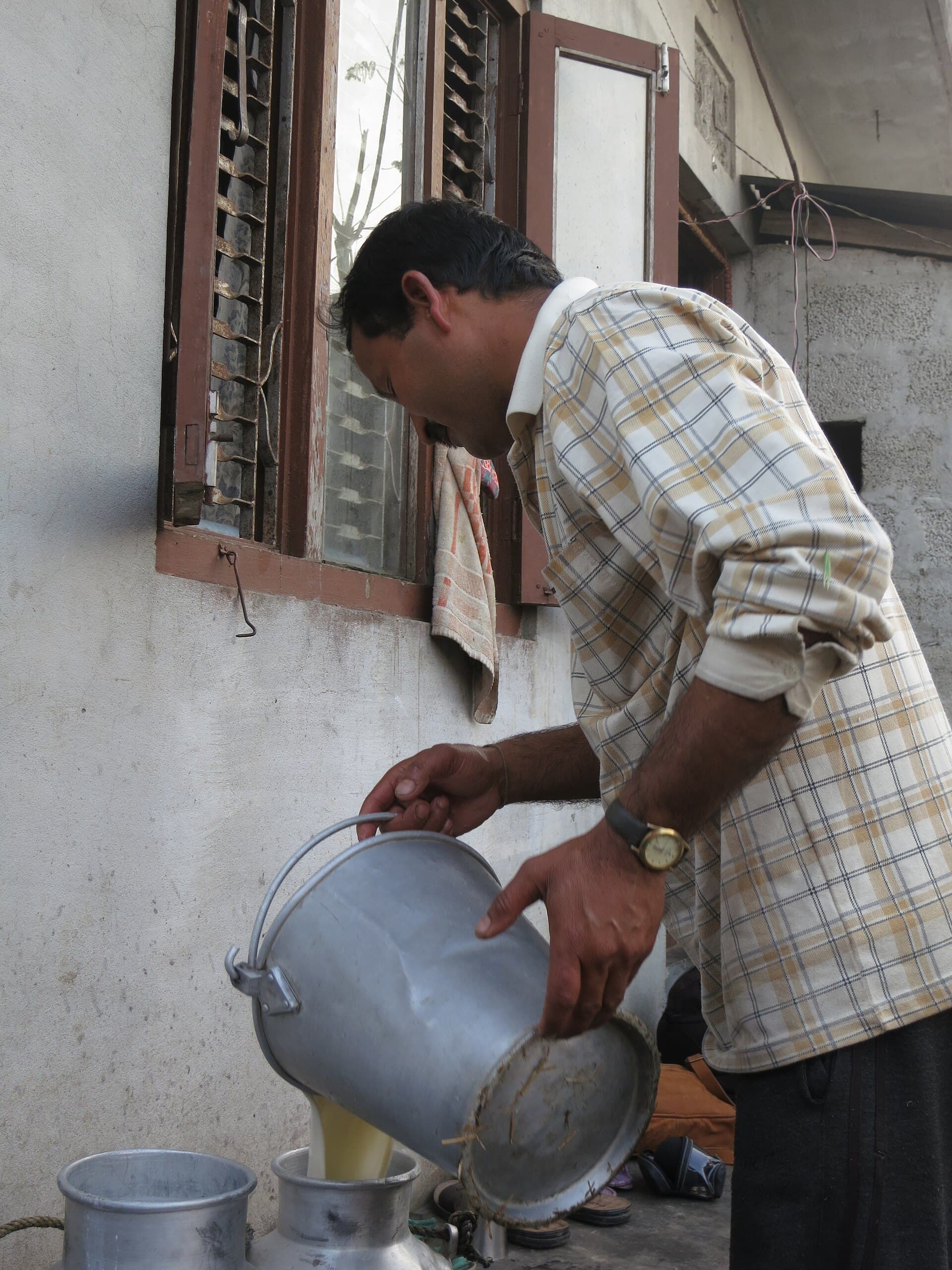
Real cooperatives in Nepal, photographed on location. Full credits on our attributions page.
Overview of the Cooperative Sector in Nepal
Nepal has over 35,000 cooperative societies with more than 6 million members — the cooperative sector contributes an estimated 5–7% of national GDP, a remarkably high share for a low-income country. Nepal's formal cooperative history began in 1956 with the Bakula Savings and Credit Cooperative in Chitwan district. The 1990 political transition transformed cooperatives from state-directed agricultural programs into autonomous member-governed organizations, triggering rapid growth through the 2000s and 2010s driven by remittance income flowing through cooperative savings accounts.
Nepal's 24,000+ registered Savings and Credit Cooperatives (SACCOs) are by far the largest category, with total assets estimated at NPR 450–500 billion (~USD 3.5–4 billion) before the 2021–2023 crisis. SACCOs provide financial services in mountain, hill, and Terai communities where commercial banks have limited reach, serving as the primary savings and credit institution for millions of low-income Nepalis.
Nepal's cooperative sector was severely shaken by a governance crisis between 2021 and 2023 — the most damaging event in the sector's history. Rapid expansion without corresponding governance capacity, combined with fraudulent management in some large SACCOs, resulted in member savings losses running into billions of rupees. The crisis triggered Nepal's largest cooperative regulatory overhaul, including the Cooperative Act 2074 (2017) enforcement tightening, enhanced BNR oversight, and significant public debate about cooperative governance standards.
Types of Cooperatives in Nepal
Savings and Credit Cooperatives (SACCOs)
24,000+ SACCOs — the dominant cooperative form. Serve defined communities at ward, neighborhood, or occupational level. Provide deposits and loans at 12–18% interest — higher than cooperative ideals but below moneylender rates. Total assets ~NPR 450–500 billion pre-crisis.
Multipurpose Cooperatives
Combine savings and credit with agricultural input supply, consumer goods, and cooperative insurance. Common in the Terai, aggregating paddy, wheat, and maize from smallholders. A growing number offer crop failure, livestock, and health cooperative insurance.
Specialty Agricultural and Handicraft Cooperatives
Tea cooperatives in Ilam and Taplejung (Kanchanjangha — world's first certified organic tea cooperative), coffee cooperatives in Gulmi and Palpa, dairy cooperatives, and pashmina/carpet cooperatives in Kathmandu and Pokhara.
Notable Cooperatives in Nepal
Kanchanjangha Tea Estate Cooperative
Tea / AgriculturalEstablished 1984 in Taplejung district with Swiss development assistance — one of the world's first certified organic tea cooperatives. 650+ smallholder members producing Fairtrade and organic orthodox teas exported to Europe, Japan, and the US at 30–50% premiums above conventional Nepal tea.
NEFSCUN (National Cooperative Federation of Nepal)
Apex Body / Savings & CreditEstablished 1993, NEFSCUN federates district-level SACCO unions, provides training and audit support, operates a central liquidity fund for member SACCOs, and represents the cooperative sector in policy discussions. Affiliated with ICA and WOCCU.
Dairy Development Corporation (DDC) Cooperatives
DairyCooperative dairy societies in the Kathmandu Valley and Terai have a 60-year history supplying DDC (established 1969) for processing. Nepal's dairy cooperative model has been less transformative than India's AMUL, partly because DDC retained processing control rather than spinning it to cooperatives.
Regulatory Framework
| Primary Legislation | Cooperative Act 2074 (2017 Gregorian calendar) |
| Regulator | Department of Cooperatives, Ministry of Land Management, Cooperatives and Poverty Alleviation + National Bank of Nepal (financial oversight) + DCGC (deposit guarantee) |
| Key Year | 2017 |
| Notes | The Cooperative Act 2074 replaced the 1992 Act, significantly tightening governance and financial management. Provincial cooperative registrars operate at each of Nepal's 7 provinces. The Deposit and Credit Guarantee Corporation (DCGC) provides deposit coverage up to NPR 300,000 per member. The 2021–2023 crisis triggered further enforcement tightening. |
How to Form a Cooperative in Nepal
- 1
Form a founding group with minimum required membership (primary cooperatives — minimum varies by type, typically 25+ for SACCOs)
- 2
Draft cooperative bylaws in accordance with the Cooperative Act 2074 (Department of Cooperatives provides model bylaws)
- 3
Submit registration application to the relevant local government (palika) office — registration was decentralized to local government under the 2017 Act
- 4
Application reviewed at provincial level by the Provincial Cooperative Registrar
- 5
Receive Certificate of Registration
- 6
For SACCOs above prescribed asset thresholds: obtain additional approval from the Nepal Rastra Bank (central bank) for deposit-taking
- 7
Annual compliance: submit audited accounts within 6 months; hold annual general assembly; maintain DCGC deposit guarantee membership
Related Cooperative Sectors
Frequently Asked Questions — Cooperatives in Nepal
What happened in Nepal's cooperative crisis of 2021–2023?
Nepal's SACCO sector grew faster than governance capacity between 2010 and 2020, with assets growing roughly fivefold driven by remittance income. The crisis revealed governance failures (founders controlling cooperatives without member oversight), fraudulent management in some large SACCOs, and concentrated real estate loan exposure. Members lost savings, triggering the largest cooperative regulatory overhaul in Nepal's history including enhanced oversight and stricter enforcement of the Cooperative Act 2074.
What is NEFSCUN?
NEFSCUN (National Cooperative Federation of Nepal) is the apex body for savings and credit cooperatives in Nepal, established in 1993. It federates district-level SACCO unions, provides training and audit support, operates a central liquidity fund for member SACCOs in short-term cash flow emergencies, and represents the cooperative sector in government policy discussions. It is affiliated with the International Cooperative Alliance (ICA) and World Council of Credit Unions (WOCCU).
What makes Kanchanjangha Tea Cooperative significant?
Established in 1984 in Taplejung district with Swiss development assistance, Kanchanjangha is one of the world's first certified organic tea cooperatives. Its 650+ smallholder members produce Fairtrade and organic certified orthodox teas exported to Europe, Japan, and the US at 30–50% premiums above conventional Nepal tea. It is Nepal's most internationally recognized cooperative and demonstrates the specialty premium achievable through cooperative collective action and certification.
Learn More
Cooperatives in Nepal — In-Depth Guide
History, legislation, notable organisations, and sector breakdowns.
Find Cooperatives in Nepal
Browse 26,000+ cooperatives by sector, country, and size in our free directory.