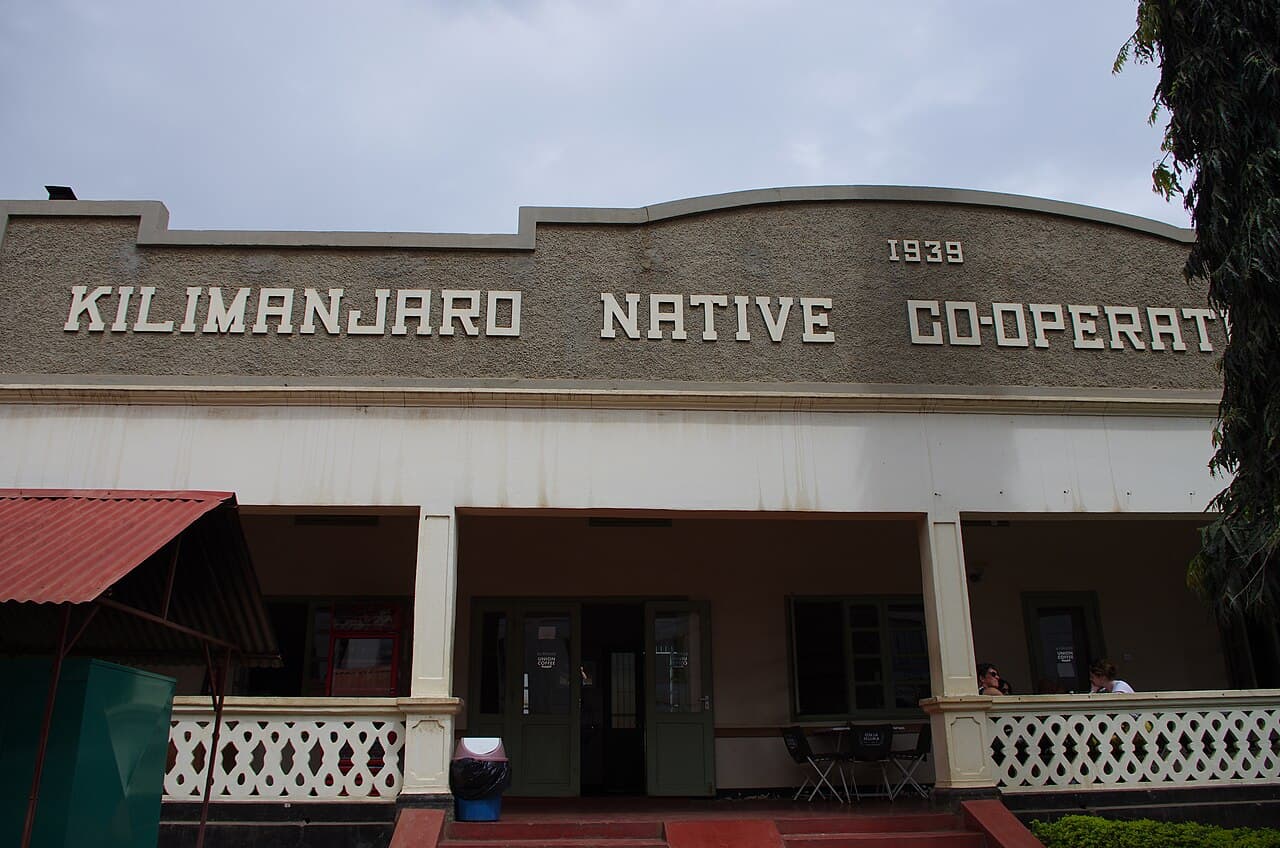
Tanzania has one of Africa's oldest and most storied cooperative movements. The Kilimanjaro Native Cooperative Union (KNCU) was founded in 1933 and is among the earliest indigenous agricultural cooperatives in sub-Saharan Africa — an organisation established by Chagga coffee farmers on the slopes of Mount Kilimanjaro to take direct control of their coffee marketing and break free from colonial-era price exploitation. Today Tanzania has over 10,000 registered cooperatives serving more than 1.5 million members across coffee, cotton, cashew, tea, and dairy sectors. The sector has experienced recurring cycles of government intervention, collapse, and revival that reflect Tanzania's broader post-independence political economy.
Cooperative Sector Overview
Tanzanian cooperatives operate predominantly in smallholder agriculture, where they serve as the primary channel for input supply, credit, and crop marketing. Coffee cooperatives in the Kilimanjaro and Kagera regions, cotton cooperatives in the Lake Zone, cashew cooperatives in the southern coastal belt, and tea cooperatives in the highland areas collectively serve hundreds of thousands of farming households.
| Metric | Figure |
|---|---|
| Registered cooperatives | 10,000+ |
| Total members | 1.5+ million |
| Primary sector | Smallholder agriculture |
| Oldest major cooperative | KNCU (est. 1933, coffee) |
| Regulatory body | Commissioner for Cooperatives, Ministry of Agriculture |
| Primary legislation | Cooperative Societies Act No. 6 (2013) |
| Apex body | Cooperative Alliance of Tanzania (CAT) |
| SACCO members | 700,000+ |
Tanzania's cooperative history is inseparable from its political history. After independence in 1961, President Julius Nyerere's ujamaa philosophy of African socialism promoted cooperatives as a cornerstone of rural development. Nyerere nationalised cooperatives in the late 1960s and early 1970s, placing them under state control — a move that initially expanded coverage but eventually led to political interference, mismanagement, and eventual collapse. The liberalisation era from the late 1980s onwards allowed cooperatives to re-establish genuine member control.
Key Cooperative Sectors
Coffee
Coffee is the oldest and most internationally studied sector of Tanzanian cooperatives. The Chagga people of the Kilimanjaro region had cultivated arabica coffee under the shade of their home gardens (the kihamba system) for centuries before colonisation. Under German and then British colonial rule, Chagga farmers were required to sell through European-controlled marketing channels at controlled prices.
KNCU (Kilimanjaro Native Cooperative Union) was established in 1933 as the first indigenous cooperative union in Tanganyika. It initially brought together primary cooperative societies formed by Chagga farmers to aggregate their coffee, negotiate prices with exporters, and invest in member services. KNCU's early history is a remarkable story of colonial-era resistance through economic organisation.
After independence, KNCU and other coffee cooperatives were placed under the state-owned Coffee Marketing Board (later Tanzanian Coffee Board). This reduced cooperative autonomy but maintained the cooperative infrastructure. Following liberalisation in the 1990s and the subsequent cooperative reform, KNCU re-emerged as an autonomous union. It today represents approximately 80,000 coffee farmer members across hundreds of primary cooperative societies on Kilimanjaro, and it operates a coffee processing mill and exports directly to international buyers including specialty coffee importers.
KACU (Kilimanjaro Agricultural Cooperative Union) and the Mbinga Coffee Cooperative Union (in Ruvuma region, known for its high-altitude arabica) are among other significant coffee cooperative unions. Tanzanian coffee cooperatives have expanded into direct trade and specialty market positioning, with several obtaining fair trade, Rainforest Alliance, and organic certifications.
Cotton
The Lake Zone of Tanzania — particularly Mwanza, Shinyanga, and Geita regions — is the centre of cotton production. Cotton cooperatives here have a complex history: they were among the cooperatives most severely damaged by the Nyerere-era nationalisation and subsequent collapse. Revived as the Tanzania Cotton Growers Association (TACOGA) and various primary cooperative societies after liberalisation, cotton cooperatives now link smallholder farmers to ginners (mostly private operators) and provide inputs on credit.
The Mwanza Cooperative Union is among the surviving cotton cooperative unions, though the sector has faced intense competition from private buyers who offer immediate cash payment, undermining cooperative loyalty. Cotton cooperatives in Tanzania must continually demonstrate value to retain members who have a competitive alternative.
Cashew
Tanzania is one of the world's largest cashew producers, and the southern coastal regions (Mtwara, Lindi, Coast) are the growing heartland. Cashew cooperatives and primary cooperative societies link farmers to the annual cashew auction system regulated by the Tanzania Cashew Board (TCB). Cooperatives aggregate raw cashew nuts from member smallholders and deliver to licensed buyers at government-regulated minimum prices.
A major government-cooperative conflict occurred in 2018 when the government ordered cooperatives to stop selling cashews to private buyers at what it deemed below-fair prices, and attempted to create a government-funded purchase scheme. The intervention led to significant warehouse storage problems and financial losses. The episode illustrated the risks of government intervention in cooperative marketing even when intended to benefit farmers.
SACCOs (Savings and Credit Cooperative Organisations)
Tanzania's SACCO (Savings and Credit Cooperative Organisation) sector has grown substantially since the early 2000s. There are now over 5,000 registered SACCOs with more than 700,000 members, providing savings, credit, and insurance to members across urban and rural Tanzania. TACSCU (Tanzania Association of Cooperative and Credit Unions) is the apex body.
Agricultural SACCOs provide seasonal credit for seeds, fertilisers, and crop husbandry. Urban SACCOs serve employed workers — teachers, civil servants, healthcare workers — with consumer credit and savings mobilisation. The Tanzania Postal Bank and microfinance institutions compete with SACCOs but do not serve rural areas as broadly.
Tea
The Tanzania Tea Blenders and several cooperative unions in highland areas (Mufindi, Njombe, Kagera) link smallholder tea growers to processing factories under the Tanzania Tea Authority. Tea smallholders typically supply green leaf to factories under a contract pricing formula. Cooperatives aggregate supply and negotiate pricing on behalf of members.
Legal Framework
Cooperative Societies Act No. 6 of 2013
The current primary legislation is the Cooperative Societies Act No. 6 of 2013, which replaced earlier acts and reflects the lessons of Tanzania's cooperative history. Key provisions:
- Formation: Minimum 10 members for a primary cooperative; minimum 3 primary cooperatives for a union
- Registration: With the Registrar of Cooperatives (Commissioner for Cooperatives) in the Ministry of Agriculture
- Governance: Annual General Meeting (AGM) is the supreme authority; Board of Management (elected by members); Management Committee for smaller societies
- Audit: Annual auditing required; the Tanzania Cooperative Audit and Supervision Corporation (COASCO) provides audit services
- Dissolution: Registrar has powers to dissolve non-compliant or inactive cooperatives
- Apex structure: Primary societies → cooperative unions → National Cooperative Apex (NCA) at the national level
COASCO
The Tanzania Cooperative Audit and Supervision Corporation (COASCO) is a parastatal body that provides audit and supervisory services to cooperatives. It audits cooperative financial statements, provides management training, and advises the Registrar on compliance. COASCO's capacity limitations — auditing thousands of cooperatives with limited staff — mean many cooperatives go years between audits, which contributes to governance failures.
SACCO Supervision
Savings and Credit Cooperatives are supervised by the Tanzania Mainland Cooperative Development Commission and, for larger SACCOs, by the Bank of Tanzania under the Microfinance Act 2018. The Bank of Tanzania's oversight of financial SACCOs above a certain asset threshold has strengthened prudential supervision.
Historical Context: 1968–1991
Understanding Tanzania's cooperative law requires context. In 1968, Nyerere's government consolidated cooperatives into unions and placed them under state control. In 1976, primary cooperative societies were abolished and replaced with Ujamaa Villages directly managed by party structures. The collapse of cooperative management capacity led to re-legalisation of primary societies in 1982. Genuine liberalisation came with the Cooperative Societies Act of 1991, which restored independent member control. The 2013 Act builds on this tradition.
Major Cooperatives
KNCU (Kilimanjaro Native Cooperative Union)
Founded: 1933 Members: ~80,000 coffee farmers (through member primary societies) Sector: Coffee processing and export (arabica)
KNCU is Tanzania's oldest and most historically significant cooperative. It operates a coffee processing mill in Moshi (the Kilimanjaro capital) and exports green coffee directly to buyers in Europe, the United States, and Japan. KNCU's governance involves elected representatives from its member primary cooperative societies. The union provides agronomic extension services, seedling distribution, and quality management to its members.
Moshi Cooperative College
Not a cooperative itself, but the Moshi Cooperative College (MCC) — now part of Moshi University College of Cooperative and Business Studies (MUCCOBS) — is the primary institution training cooperative managers and administrators across East Africa. Founded in 1963 with ILO support, MCC has educated thousands of cooperative practitioners from Tanzania, Kenya, Uganda, Rwanda, and beyond. It reflects Tanzania's historic commitment to cooperative development as a national priority.
KNCU Coffee
Founded as cooperative: 1933 Current members: ~80,000 farmers Sector: Arabica coffee export
As above, KNCU is the apex organisation for Kilimanjaro coffee cooperatives. Its Kilimanjaro Coffee brand has sought direct trade relationships with specialty roasters, bypassing the Dar es Salaam commodity auction system where possible.
Mbinga Coffee Cooperative Union (MBICU)
Founded: 1960s Members: 35,000+ coffee farmers in Ruvuma region Sector: Arabica coffee
MBICU represents farmers in the Mbinga highlands of Ruvuma — one of Tanzania's premium arabica origins, growing at 1,600–2,200 metres. The union has obtained fair trade certification and sells to specialty importers. Members receive above-commodity prices reflecting quality premiums.
Agricultural Input Cooperatives
Several primary cooperative societies in various regions aggregate demand for seeds, fertilisers, and pesticides, purchasing collectively at bulk rates and distributing to members on credit recovered at harvest. These input cooperatives reduce transaction costs for smallholders who lack the scale to negotiate individual input prices.
Challenges and Opportunities
Government Intervention Cycles
The most persistent challenge for Tanzanian cooperatives is inappropriate government intervention. The cashew crisis of 2018, the cotton sector's recurring price disputes, and historically the ujamaa nationalisation all demonstrate that political interference — however well-intentioned — typically damages cooperative governance. When the government bypasses cooperative decision-making structures to impose pricing, purchasing, or management decisions, it destroys the trust and accountability that make cooperatives function.
Competition from Private Buyers
Private crop buyers (sometimes called "side buyers") consistently undermine cooperative marketing by offering immediate cash payment at slightly below-cooperative prices. For a smallholder farmer with immediate cash needs, the cooperative's slightly higher price paid two weeks after delivery may be less attractive than cash today. Cooperatives that offer additional services — input credit, extension, social insurance — can retain member loyalty; those that only offer a price premium are vulnerable to private competition.
Financial Management Capacity
Many Tanzanian cooperatives suffer from weak financial management. Bookkeeping errors, theft, and misappropriation are documented problems, particularly in primary societies with volunteer management committees. COASCO's audit capacity cannot cover all cooperatives frequently enough to deter misconduct. Improving governance through training, digital record-keeping, and more frequent external oversight is a priority for the Ministry and development partners including the ILO.
SACCO Growth Opportunity
Tanzania's financial inclusion gap — over 60% of adults without formal financial access — is an opportunity for SACCOs. The post-2015 SACCO growth has been rapid. With mobile money infrastructure (M-Pesa, Tigo Pesa) now widespread across Tanzania, digital-linked SACCOs can reach farmers and small traders who cannot access branch banking. Several development programmes (MUVI, PASS) have supported SACCO strengthening.
Related Articles
- Agricultural Cooperatives
- Credit Cooperatives
- Cooperatives in Kenya
- Cooperatives in Ethiopia
- Cooperative Principles
- Cooperatives in Rwanda — East African cooperative comparison
- Marketing Cooperatives — Collective Selling
References & further reading
This guide is researched against primary sources. Where we cite figures, they reflect the most recent data published by these organisations at the time of writing.
- 1.Facts & figures on the cooperative movement — International Cooperative Alliance
- 2.Cooperatives and the world of work — International Labour Organization
Find Cooperatives Worldwide
Browse 26,000+ cooperatives by sector and country in our free directory.