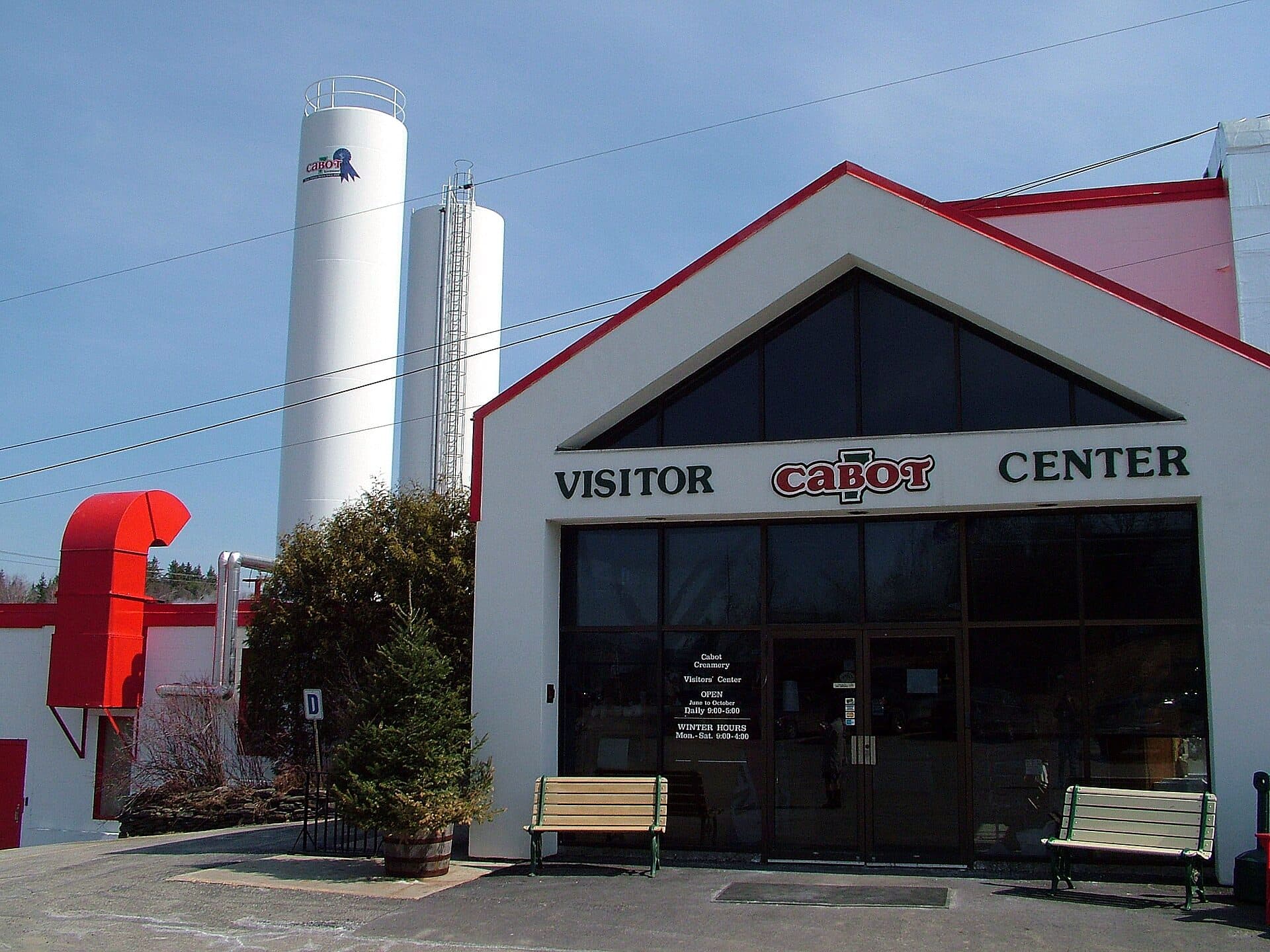
Dairy cooperatives are farmer-owned organisations where members pool their milk supply, collectively bargain with processors and retailers, and return profits back to the farmers — not to outside shareholders. They exist because a single dairy farmer selling 500 litres of milk a day has almost no pricing power; a cooperative representing 3,000 farmers selling 5 million litres a day can negotiate on equal terms with the world's largest food companies. Dairy cooperatives are a major subset of agricultural cooperatives and follow the same foundational cooperative principles.
Dairy Cooperatives at a Glance
| Cooperative | Country | Members | Annual Revenue |
|---|---|---|---|
| AMUL (GCMMF) | India | 3.6 million | ~$9B USD |
| Fonterra | New Zealand | 9,000 | NZD 22.7B (~$14B USD) |
| Dairy Farmers of America | USA | 11,000 | $18.9B USD |
| FrieslandCampina | Netherlands | 14,000 | €14.0B (~$15B USD) |
| Arla Foods | Denmark/Sweden/UK | 10,000+ | DKK 147B (~$21B USD) |
These five cooperatives alone represent tens of thousands of farming families and tens of billions in annual revenues — a scale that would be impossible for individual farmers acting alone.
How Dairy Cooperatives Work
Pooling Milk Supply
The central mechanism of every dairy cooperative is the milk pool. Each member farm delivers their milk to a collection point or directly to a processing plant. The cooperative aggregates all of this milk into a single marketable volume.
This pooling function does three things: it gives the cooperative enough volume to supply large processors and retailers; it allows costs (refrigerated transport, testing, handling) to be shared across all members; and it enables the cooperative to blend milk from multiple farms into consistent-quality batches.
Members are paid based on the volume and composition of their milk — typically calculated by fat content, protein content, and bacterial count. Higher-quality milk earns a premium; milk that fails quality tests is rejected or penalised.
Collective Bargaining With Processors
Individual dairy farmers negotiate from a weak position. A processor can simply switch to another supplier if a farmer pushes back on price. A cooperative with 10,000 farmers has leverage: walking away means losing a significant share of the processor's raw material supply.
This collective bargaining is why cooperative members consistently receive higher farm-gate prices — the price paid to the farmer at the farm gate — than non-cooperative farmers in the same regions. The US Department of Agriculture has documented this premium repeatedly across American dairy markets.
Value-Added Processing
The most profitable dairy cooperatives do not just sell raw milk. They process it into cheese, butter, yoghurt, infant formula, and other products that sell at much higher margins than commodity milk.
AMUL in India runs one of the most complete vertical chains in the dairy world: milk collection → chilling → processing → packaging → distribution → branded retail under the AMUL brand. Each step is controlled by the cooperative, which means more of the value stays with farmer-members rather than being captured by external processors.
Fonterra produces 20 billion litres of milk per year and exports to 140 countries. Its product range extends from commodity milk powder to branded consumer products including Anchor butter and Mainland cheese.
Marketing and Brand Building
Dairy cooperatives often own well-known consumer brands, a deliberate strategy to capture retail margins that would otherwise go to the brands that package and sell milk products.
Arla Foods owns the Lurpak butter brand, among others. Lurpak commands premium shelf space in over 100 countries and generates significantly higher margins than commodity milk powder, all of which flow back to the Danish and Swedish dairy farmers who own Arla.
Land O'Lakes (USA) is another example — the yellow-lid butter brand is owned entirely by the cooperative's member farmers, meaning the retail premium paid by American grocery shoppers flows to dairy farms, not to a publicly listed food company.
The World's Biggest Dairy Cooperatives
AMUL — India
AMUL (Anand Milk Union Limited) is the largest dairy cooperative in Asia and arguably the most studied cooperative in the world. It was founded in 1946 in Anand, Gujarat, after farmers protested exploitation by private milk traders.
The structure is a three-tier model: village-level dairy cooperative societies collect milk from farmers; district-level milk unions manage processing; GCMMF (Gujarat Cooperative Milk Marketing Federation) handles national marketing under the AMUL brand.
Today, AMUL's network includes 18,700 village cooperative societies, 3.6 million farmer-members, and daily milk handling of 35+ million litres. Revenue for 2023–24 exceeded ₹72,000 crore (~$8.6B USD). The cooperative operates in 30 Indian states and exports to over 50 countries.
Fonterra — New Zealand
Fonterra was formed in 2001 through the merger of New Zealand's two largest dairy companies and the Dairy Board. Its 9,000 farmer-shareholders supply around 80% of New Zealand's milk production.
The cooperative handles 20 billion litres of milk annually — more than any other cooperative in the world — and exports to 140 countries. New Zealand's entire dairy industry, which accounts for about 25% of the country's total export earnings, runs through Fonterra's supply chain.
Fonterra has faced governance controversies, including a botulism scare in 2013 and pressure from farmers over payouts. This has prompted ongoing structural reforms, including allowing farmers to trade shares more freely — a move that changes the traditional closed-membership cooperative model.
Dairy Farmers of America — United States
Dairy Farmers of America (DFA) is the largest US dairy cooperative, representing 11,000 family dairy farms across all 50 states. It was formed in 1998 through the merger of four regional cooperatives.
DFA handles over 70 billion pounds of milk annually and operates more than 60 manufacturing plants producing cheese, butter, fluid milk, and ingredients. Its 2022 revenues reached $18.9 billion. DFA also markets milk on behalf of smaller regional cooperatives through pooling and marketing agreements.
FrieslandCampina — Netherlands
FrieslandCampina is one of the largest dairy companies in the world by revenue, owned entirely by 14,000 Dutch, German, and Belgian dairy farmers through the Zuivelcoöperatie FrieslandCampina UA cooperative.
The cooperative processes 11 billion kilograms of milk per year and operates in more than 100 countries. Its brands include Frisian Flag, Dutch Lady, and Valess. Consumer products account for a growing share of revenue, giving farmer-members higher returns than raw commodity milk would generate.
Arla Foods — Denmark/Sweden/UK/Germany
Arla Foods is owned by 10,000+ dairy farmers across Denmark, Sweden, the UK, Germany, Belgium, the Netherlands, and Luxembourg — a multinational ownership structure that is unusual in the cooperative world.
Founded in 2000 through the merger of Danish MD Foods and Swedish Arla, the cooperative had revenues of DKK 147 billion (~$21B USD) in 2023. Arla owns the Lurpak and Castello brands and is the largest organic dairy company in Europe.
How to Join a Dairy Cooperative
Joining a dairy cooperative as an existing dairy farmer involves several steps:
- Find the relevant cooperative for your region — most areas have one dominant dairy cooperative, but in some markets (particularly the US) there are competing options
- Meet membership criteria — these typically include minimum milk volume requirements, quality standards (bacterial count, somatic cell count), and sometimes farm inspection
- Pay a membership share — most cooperatives require a capital investment, sometimes calculated as a fixed amount per hundredweight of milk delivered
- Sign a milk marketing agreement — most cooperatives require members to deliver all or most of their milk to the cooperative exclusively
- Attend member meetings — participation in governance is both a right and an expectation in most dairy cooperatives
For new dairy farmers looking to start, it is generally easier to join an existing cooperative than to form a new one, given the infrastructure (processing plants, cold chain logistics, marketing) already in place.
How to Form a Dairy Cooperative
If no cooperative serves your area — more common in developing markets — the formation process involves:
- Organise a founding group — minimum viable size varies by country, but typically 20–50 farmers with enough combined volume to justify shared infrastructure
- Conduct a feasibility study — calculate the volume of milk available, the cost of cold storage and transport, and the prices available from local processors
- Draft articles of incorporation and bylaws covering membership criteria, voting rights, profit distribution, and governance
- Register under the relevant cooperative law — most countries have specific cooperative incorporation statutes; some dairy cooperatives register under general cooperative law, others under agricultural cooperative acts
- Capitalise the cooperative — member shares and sometimes external loans or government grants fund initial infrastructure
- Build the supply chain — milk collection points, chilling tanks, transport contracts, and processor relationships
Government agricultural agencies in most countries provide technical support for new cooperative formation. In India, the National Dairy Development Board (NDDB) actively assists new cooperatives. In the US, USDA Rural Development provides grants and loans. For funding options, see grants for cooperatives and loans for cooperatives.
Dairy Cooperative Data: Scale and Economic Impact
The global dairy cooperative sector is substantial by any measure. The International Cooperative Alliance's agricultural committee estimates that dairy cooperatives handle 50–80% of total milk production in many high-income countries:
| Country | Cooperative Share of Milk Marketed | Key Cooperatives |
|---|---|---|
| New Zealand | ~80% | Fonterra |
| Denmark | ~90% | Arla Foods |
| Netherlands | ~85% | FrieslandCampina |
| USA | ~30% | Dairy Farmers of America, Land O'Lakes |
| India | ~25% (organised sector) | AMUL (GCMMF), state dairy federations |
| Ireland | ~95% | Ornua (formerly Irish Dairy Board), Dairygold |
Ireland offers an instructive example of cooperative dominance. Ornua, a cooperative owned by Irish dairy cooperatives and their farmer-members, markets over 80% of Ireland's dairy exports — including the Kerrygold butter brand sold in 100+ countries. Kerrygold is the second-best-selling butter brand in the United States, all profits flowing back to Irish dairy farming families through the cooperative chain.
Kenya is a notable developing-market example. New KCC (Kenya Cooperative Creameries), the country's main dairy processor, collects from thousands of smallholder dairy farmers across the central highlands. The average Kenyan dairy farmer owns fewer than three cows, making the cooperative model the only viable route to market access. For more on Kenya's cooperative sector, see cooperatives in Kenya.
The Link Between Cooperative Market Share and Farmer Returns
Research consistently shows that higher cooperative market share in a country or region correlates with better average farm-gate prices. The mechanism is straightforward: when a cooperative controls a large share of milk supply, it can threaten to withhold volume from processors who offer unacceptable prices. In markets where cooperatives handle under 20% of supply, this threat is unconvincing; in markets where cooperatives handle 80–90%, it is real.
This is why the EU's agricultural policy has historically supported cooperative consolidation in dairy — larger cooperatives with greater market shares produce better returns for farmer-members.
Advantages and Disadvantages of Dairy Cooperatives
Advantages
- Higher farm-gate prices — collective bargaining consistently produces better prices than individual negotiation
- Shared infrastructure costs — chilling tanks, transport, and processing facilities spread across all members
- Price stability — cooperatives often provide advance price estimates, reducing farmer income volatility
- Market access — small farms gain access to export markets and large retail chains they could not reach alone
- Democratic control — members vote on major decisions, including the board and pricing policies
Disadvantages
- Capital lock-in — member capital invested in the cooperative is not liquid; exit can be difficult
- Volume commitments — exclusive supply agreements limit farmers' ability to sell to other buyers
- Slow decision-making — democratic governance means major strategic changes require member approval, which takes time
- Governance risks — poorly managed cooperatives can allocate capital inefficiently, with consequences for all members
- Exposure to commodity prices — even with cooperative bargaining, farm-gate prices still follow global dairy commodity markets
FAQ
What is a dairy cooperative?
A dairy cooperative is a farmer-owned organisation that collects milk from member farms, processes or markets it collectively, and returns profits to the farmers who supply it. Members own the cooperative, vote on its management, and receive payment based on their milk deliveries rather than receiving a fixed commodity price from an outside buyer. The cooperative replaces the profit-extracting middleman with a member-controlled organisation.
How do dairy cooperatives set milk prices?
Most dairy cooperatives calculate the farm-gate price using a base price derived from the market value of the milk components (fat, protein, other solids), plus a premium or bonus for quality. Some cooperatives — particularly in the US — participate in federal or state milk marketing orders that set minimum prices. Any surplus the cooperative earns above operating costs is distributed to members as dividends or equity credits at year-end.
What is the largest dairy cooperative in the world?
By revenue, Arla Foods (Denmark/Sweden) is among the largest, with 2023 revenues of approximately $21B USD. By number of farmer-members, AMUL in India is the largest with 3.6 million members. By volume of milk processed, Fonterra (New Zealand) processes around 20 billion litres annually. The definition of "largest" depends on the metric used.
Are dairy cooperatives profitable for farmers?
Generally, yes — studies consistently show that cooperative members receive higher farm-gate prices than non-members in the same markets. The USDA has documented average premiums of 10–20% for cooperative members in US dairy markets. However, profitability depends heavily on the cooperative's management quality, the cost structure of its processing operations, and global dairy commodity prices.
How is a dairy cooperative different from a private dairy company?
The key difference is ownership. A private dairy company is owned by shareholders who may have no connection to farming; profits flow to investors. A cooperative is owned by the farmers who supply it; profits flow back to members in proportion to their milk deliveries. This means the cooperative's financial incentive is to maximise the farm-gate price, while a private company's incentive is to minimise the cost of raw milk to maximise investor returns.
Can small farms join dairy cooperatives?
Yes, though minimum volume requirements apply in most cooperatives. Some cooperatives — particularly development-focused ones in India and Africa — actively recruit small farms and operate collection points near villages to make participation practical. Others, particularly large commercial cooperatives in the US or Europe, have minimum thresholds that exclude the smallest operations. Prospective members should check the specific cooperative's rules.
What happens when a dairy cooperative loses money?
When a cooperative's operating costs exceed revenues — due to falling milk prices, poor processing margins, or over-investment in infrastructure — the loss is absorbed by the cooperative's reserves first. If losses are severe, member equity accounts may be reduced. In extreme cases, cooperatives may cut the farm-gate price below the market rate, or assess additional capital contributions from members. This risk is one reason governance quality matters: well-run cooperatives maintain adequate reserves to buffer commodity price volatility.
See also:
References & further reading
This guide is researched against primary sources. Where we cite figures, they reflect the most recent data published by these organisations at the time of writing.
- 1.Cooperative Services — USDA Rural Development
- 2.Cooperative identity, values & principles — International Cooperative Alliance
Find Cooperatives Worldwide
Browse 26,000+ cooperatives by sector and country in our free directory.