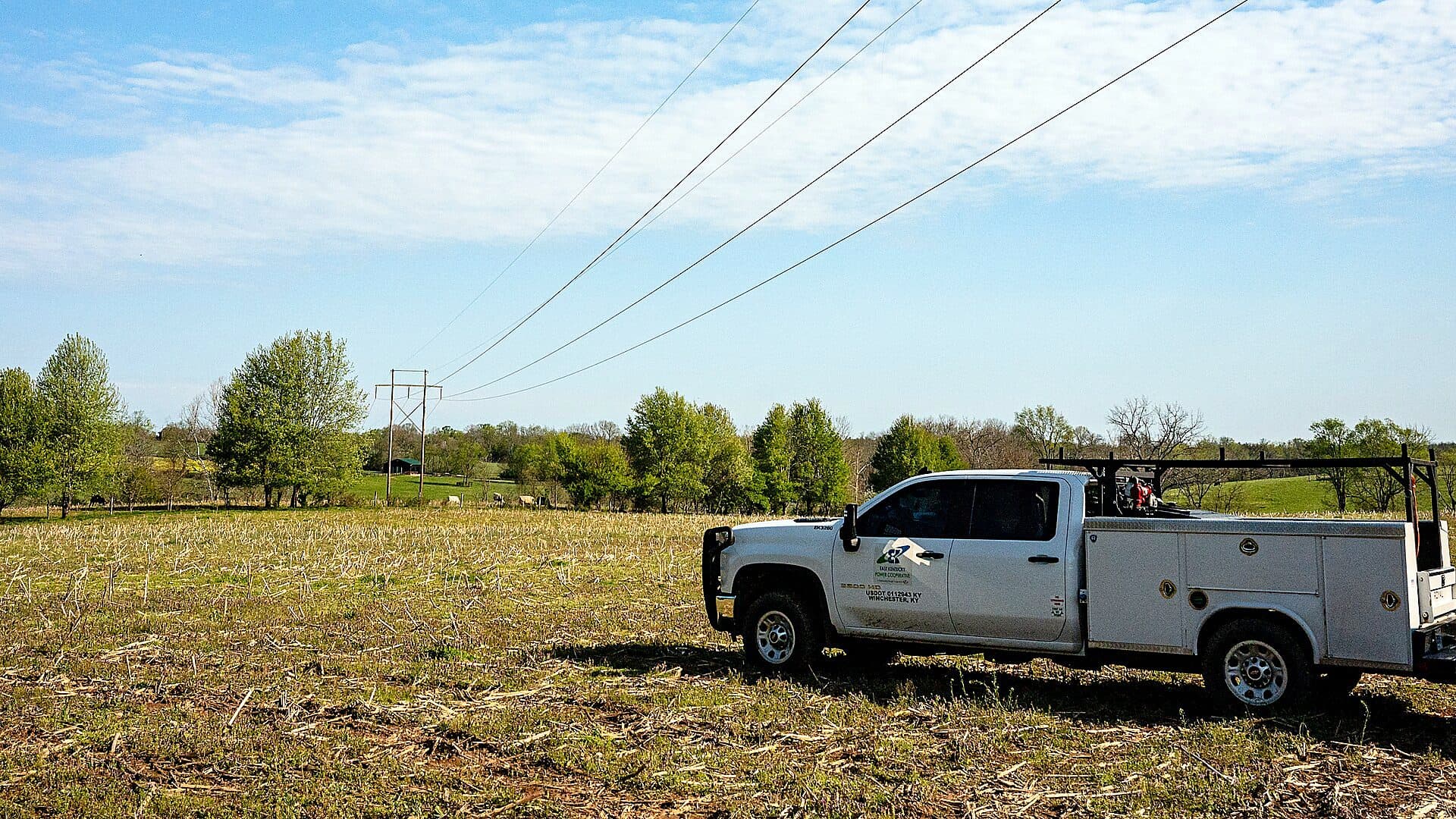
Rural cooperatives have been the primary form of economic organisation in farming and low-density communities for over a century — filling gaps that governments couldn't fund and private businesses wouldn't enter because the population density was too low to turn a profit. They represent a major share of all agricultural cooperatives globally.
Today, rural cooperatives supply electricity to 42 million Americans, provide banking to 30 million East Africans through SACCOs, and anchor the agricultural supply chains that feed billions of people in South and Southeast Asia.
What Rural Cooperatives Are and Why They Exist
A rural cooperative is a cooperative whose members are people or businesses in a low-density, agricultural, or geographically isolated area. The members form the cooperative specifically because they cannot access services — electricity, credit, inputs, markets — on their own or at prices they can afford.
The economic logic is straightforward: a commercial electric utility will not extend lines to 12 farms spread across 500 square kilometres because the cost-per-customer is too high to profit. But if those 12 farms pool their resources and form an electric cooperative, they can collectively fund the infrastructure and share the ongoing costs.
This same logic applies across every sector: credit, telecommunications, grain marketing, input supply, housing.
At a Glance: Rural Cooperative Sector
| Sector | Key Organisation | Members / Reach |
|---|---|---|
| Electric (USA) | NRECA | 832 coops, 42M Americans, 56% of US landmass |
| Agricultural (India) | IFFCO | 35,000 affiliated cooperatives, 55M+ farmers |
| SACCO (Kenya) | SASRA-regulated SACCOs | 14M+ members, KES 900B+ in assets |
| Agricultural (Philippines) | CDA-registered agri coops | 8,000+ registered, ~3M members |
| Rural telecom (USA) | NTCA | 900+ rural telecom coops, 2.4M subscribers |
| Housing (Canada) | CHF Canada | 250,000+ households in co-op housing |
Electric Cooperatives in the United States
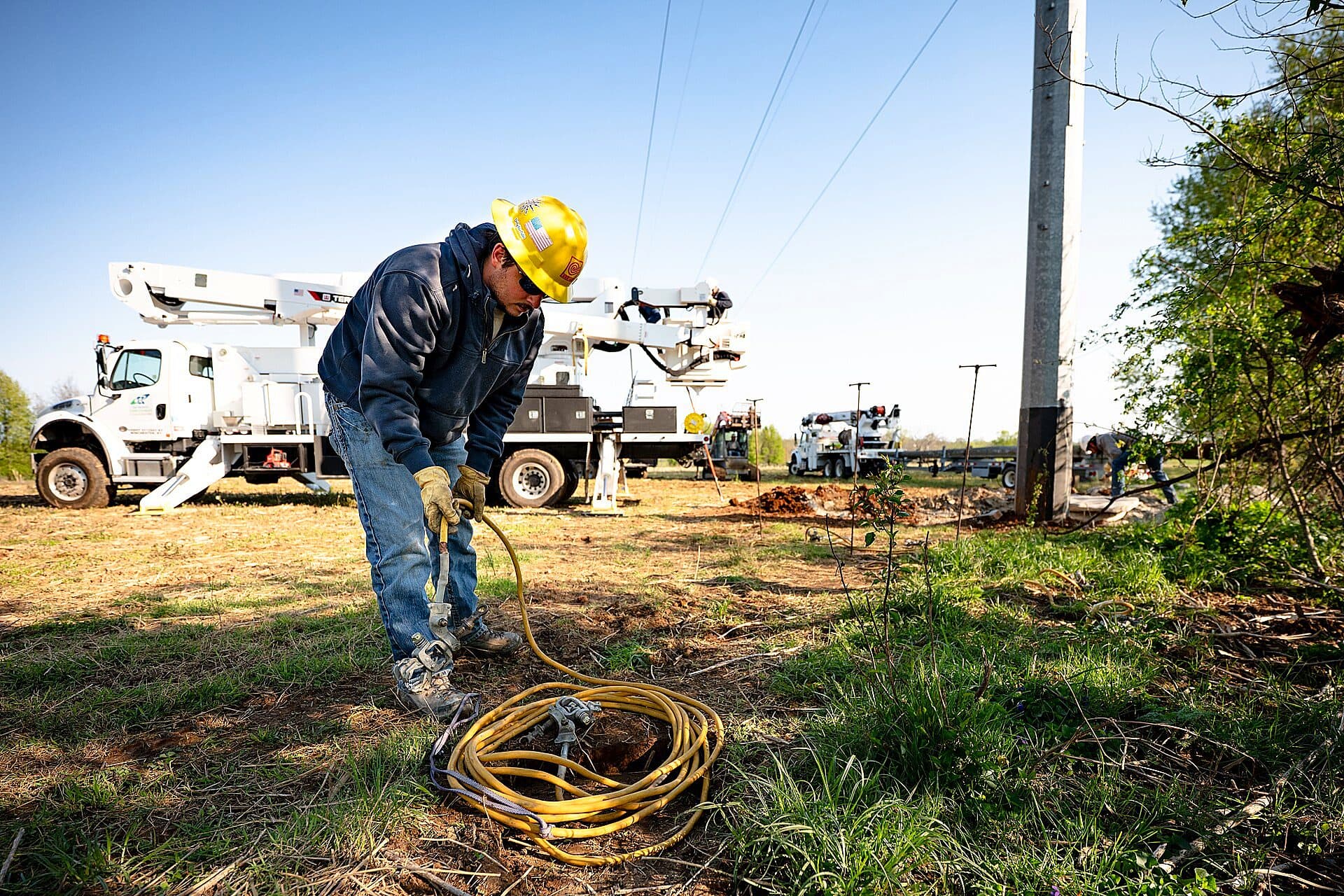
The US rural electric cooperative movement is the largest successful application of cooperative economics to infrastructure delivery in history.
In the 1930s, only 10% of US farms had electricity. Commercial utilities refused to serve rural areas — too spread out, too few customers per mile of line. President Roosevelt's Rural Electrification Act of 1936 created the Rural Electrification Administration (REA), which provided low-interest federal loans to newly formed farmer-owned electric cooperatives.
Within 10 years, the rural electrification rate jumped from 10% to over 40%. By 1960, it exceeded 90%.
Today, the National Rural Electric Cooperative Association (NRECA) represents 832 distribution cooperatives serving 42 million member-owners across 48 states. These cooperatives cover 56% of the US landmass but serve only about 13% of the population — a reflection of how sparsely settled their service areas are.
How Rural Electric Cooperatives Are Structured
Distribution cooperatives (the ones that run local lines to homes and farms) buy wholesale power from Generation and Transmission (G&T) cooperatives — cooperatives whose members are other cooperatives.
Notable G&T cooperatives include:
- Tri-State Generation and Transmission (Colorado) — serves 630,000 member-consumers through 44 distribution cooperatives in four states
- Dairyland Power Cooperative (Wisconsin) — serves 24 distribution cooperatives across four states
- PowerSouth Energy Cooperative (Alabama) — serves 20 distribution cooperatives in Alabama and Florida
Member-owners elect a local board of directors, who in turn govern the distribution cooperative. Annual meetings and democratic governance remain legally required under cooperative bylaws.
Financial Model
Rural electric cooperatives are not-for-profit. Any operating surplus is returned to members as capital credits — a form of equity the cooperative holds on the member's behalf and periodically retires (pays out in cash). This means every member who ever paid an electric bill has an equity stake in the cooperative.
Agricultural Cooperatives in Rural Communities
Agricultural cooperatives are the most common form of cooperative globally, and the vast majority operate in rural areas. Their function varies by sector and country:
India — IFFCO and the Dairy Network
The Indian Farmers Fertiliser Cooperative (IFFCO) is the world's largest fertiliser cooperative. It serves 35,000 member cooperatives representing over 55 million farmers, supplying subsidised fertiliser and agrochemicals through a national distribution network.
India's dairy sector is equally remarkable. The Amul model (Gujarat Cooperative Milk Marketing Federation) organises farmers into village-level milk collection societies, which feed into district-level unions, which in turn supply a state-level federation. This three-tier structure — from 3.6 million dairy farmers in Gujarat alone — produces 3.5 billion litres of milk annually.
This model has been replicated across India under Operation Flood (1970–1996), the world's largest dairy development programme. India now has over 177,000 dairy cooperative societies, most in rural areas.
Philippines — Barangay-Level Cooperatives
In the Philippines, cooperatives often form at the barangay level — the smallest administrative unit, equivalent to a village or neighbourhood. The Cooperative Development Authority (CDA) reports over 26,000 registered cooperatives, a large proportion of which are agricultural and multi-purpose cooperatives serving rural barangays.
These barangay cooperatives typically handle multiple functions: buying farm inputs collectively, selling produce through a shared marketing channel, and managing a small credit facility for members. Multi-purpose cooperatives (MPCs) dominate the Philippine rural sector because small communities need several services, and the membership base is too small to support separate single-purpose cooperatives.
Kenya and East Africa — Agricultural Marketing Cooperatives
Kenya's cooperative history begins with colonial-era coffee and tea cooperatives, where the colonial government required farmers to market through registered societies. The post-independence cooperative movement retained this structure, and today Kenya has over 22,000 registered cooperative societies — the majority in agriculture.
Kenya Cooperative Creameries (KCC), though it underwent privatisation and restructuring, remains a reference point for dairy cooperative organisation in East Africa. The Kenya Planters Cooperative Union (KPCU) historically handled coffee marketing for tens of thousands of smallholder farmers.
SACCOs — Rural Credit in Africa and Asia
Savings and Credit Cooperative Organisations (SACCOs) are the dominant financial institution in rural East Africa and parts of South and Southeast Asia. They exist because commercial banks do not serve low-income, low-density rural populations — the transaction costs are too high.
East Africa — Kenya, Uganda, Tanzania
Kenya has the most developed SACCO sector in Africa. The SACCO Societies Regulatory Authority (SASRA) supervises deposit-taking SACCOs — as of 2023, Kenya had over 14 million SACCO members, with total assets exceeding KES 900 billion ($6.5 billion).
Key examples:
- Harambee SACCO (Kenya) — government employees, 200,000+ members
- Kenya Police SACCO — 150,000+ members, KES 40B+ in assets
- Mwalimu National SACCO — teachers, one of the largest SACCOs in Africa
Uganda and Tanzania have parallel movements. UCSCU (Uganda Cooperative Savings and Credit Union) represents 534 SACCOs. Tanzania's COASCO supports over 5,000 cooperative societies.
Rural SACCO Mechanics
Rural SACCOs work on a simple model:
- Members contribute regular savings (weekly or monthly)
- The SACCO pools these savings into a loan fund
- Members borrow at low interest rates (typically 12–18% annually, compared to 40–80% from informal moneylenders)
- Interest income covers operational costs; surplus is distributed as dividends or used to build reserves
The social collateral of knowing your fellow members — and the group pressure that comes with it — replaces the formal collateral (land titles, guarantors) that rural borrowers cannot provide to commercial banks.
Rural Telecom Cooperatives
Rural telephone and broadband cooperatives follow the same history as electric cooperatives. When AT&T and major carriers refused to extend phone lines to rural areas in the 1940s and 1950s, farmers formed cooperative telephone companies with REA loans.
Today, NTCA — The Rural Broadband Association represents over 900 rural telecom and broadband cooperatives serving 2.4 million subscribers in 49 states. As commercial carriers have failed to build broadband infrastructure in rural and tribal areas, many rural telecom cooperatives have stepped in to offer fibre internet service.
Notable examples:
- Golden West Telecommunications (South Dakota) — broadband cooperative serving the western Dakotas
- Consolidated Telephone (Minnesota) — 19,000 subscribers, 100Mbps+ fibre service
Rural Housing Cooperatives
Canada
Canada has a strong rural housing cooperative sector supported by the Co-operative Housing Federation of Canada (CHF Canada), which represents 900+ housing cooperatives providing homes to 250,000+ households. While many of these are urban, significant numbers serve small-town and rural populations in provinces like Saskatchewan, Manitoba, and Nova Scotia.
The federal Co-operative Housing Program (1973–1993) funded much of this construction. Although that programme has ended, provincial governments in Ontario and British Columbia continue to support housing cooperative development.
Nordic Countries
In Norway, Sweden, and Denmark, boligbyggelag (housing construction cooperatives) and andelsbolig (share housing cooperatives) are the primary form of non-ownership housing across both urban and rural areas. Norway's NBBL (Norske Boligbyggelags Landsforbund) represents 42 regional housing cooperatives with 1 million members — nearly one in five Norwegians.
Rural Water and Irrigation Cooperatives
Access to water is a more critical constraint than access to electricity for most agricultural communities worldwide. Rural water cooperatives — irrigation cooperatives, water user associations, and rural water supply cooperatives — address this constraint through collective infrastructure ownership.
United States — Rural Water Associations
The National Rural Water Association (NRWA) represents over 2,400 rural water and wastewater utilities in the United States. These are mostly small systems serving communities of under 10,000 people — many are organised as cooperatives or nonprofit water associations. The NRWA operates a peer circuit rider programme, where experienced technicians from established rural water systems provide hands-on training and troubleshooting to smaller systems.
India — Water User Associations
India's irrigation sector shifted significantly after the Irrigation Management Transfer (IMT) policy of the 1990s, which transferred control of irrigation canals from state governments to Water User Associations (WUAs) — cooperatively structured groups of farmers sharing a canal. Maharashtra, Andhra Pradesh, and Gujarat have the largest WUA networks, with tens of thousands of associations collectively managing millions of hectares of irrigated farmland.
The WUA model has reduced water theft, improved maintenance, and cut state government operational costs — though outcomes vary significantly by local governance quality.
Nepal and Bangladesh
Farmer-managed irrigation cooperatives are among the oldest cooperative institutions in Nepal and Bangladesh. Farmer-managed irrigation systems (FMIS) in Nepal, often centuries old, predate modern cooperative law but operate on cooperative principles: members contribute labour for maintenance, share water in proportion to land ownership, and elect a water committee (chowdhary) to resolve disputes.
Rural Cooperative Challenges and Vulnerabilities
Rural cooperatives face structural challenges that urban cooperatives do not:
Small membership base. A cooperative with 50 members has limited capital, limited management depth, and limited resilience when key members exit. Many rural cooperatives struggle to recruit professional management — the salary a qualified manager requires exceeds what a small cooperative can pay.
Geographic dispersion. Holding general assemblies when members are spread across hundreds of square kilometres is logistically difficult. Many rural cooperatives have historically had poor democratic participation — a small group of active members effectively runs the organisation.
Commodity price exposure. Agricultural cooperatives' financial health tracks commodity prices. When coffee prices crashed in 2001–2003 and cocoa prices collapsed in 2016–2017, thousands of smallholder marketing cooperatives in Africa and Latin America became insolvent or ceased operations.
Generational succession. Rural cooperatives in many developed countries face ageing memberships. The average US farmer is 57 years old. As founding members retire, younger generations with more career options are not always willing to take on cooperative leadership roles. Managing cooperatives covers succession planning and governance continuity in more detail.
Digital divide. Rural cooperatives in developing countries increasingly need digital tools — mobile banking, market price information, supply chain tracking — but their members often lack smartphones, reliable connectivity, or digital literacy.
USDA Rural Development Cooperative Programs
The United States Department of Agriculture's Rural Development division is the single largest source of technical and financial support for rural cooperative formation in the US:
- Rural Cooperative Development Grants (RCDG) — up to $200,000 per year to organisations providing technical assistance for cooperative formation and growth
- Value-Added Producer Grants (VAPG) — available to agricultural producers forming marketing cooperatives
- Business and Industry (B&I) Loan Guarantees — can be used by cooperatives for facilities and equipment
USDA also publishes the Rural Cooperatives magazine (free, online) and maintains a library of cooperative development resources through its Rural Business-Cooperative Service.
The African SACCO Movement — Scale and Impact
The SACCO movement in Africa has grown beyond Kenya to become a continent-wide phenomenon. The African Confederation of Cooperative Savings and Credit Associations (ACCOSCA) represents SACCO leagues in 24 African countries.
Uganda has a particularly active SACCO sector. The government's SACCO Policy (2009) created a national framework, and the Uganda Cooperative Alliance reports over 11,000 active SACCOs. Many operate in agricultural areas, providing seasonal credit for planting and harvest cycles.
Rwanda used SACCOs as a deliberate post-genocide economic rebuilding tool. The government created the Umurenge SACCO programme in 2008, establishing a SACCO in each of Rwanda's 416 administrative sectors (imirenge). As of 2022, Rwanda had over 800 SACCOs with 3 million members — roughly a quarter of the country's adult population.
Tanzania's SACCO sector is smaller but growing. COASCO (Cooperative Audit and Supervision Corporation) audits and supervises Tanzania's cooperative societies. Agricultural SACCOs — particularly in the coffee and cashew growing regions of the Southern Highlands and the coast — provide seasonal credit to smallholders.
What Makes the SACCO Model Durable
SACCOs persist in rural Africa where commercial banks, microfinance institutions, and mobile money providers have all tried and partly failed to serve the same population, for several structural reasons:
- Member ownership aligns incentives. Members who borrow from their own cooperative have a stake in its solvency — default rates in well-managed SACCOs are lower than in external lending programmes.
- Local knowledge. A SACCO in a Kenyan tea-growing community knows the seasonal income cycle of its members better than any external lender. Loan schedules match the harvest calendar.
- Non-financial services. Many rural SACCOs bundle credit with agricultural training, market information, and group purchasing — services that commercial lenders do not provide.
The Economic Outsized Role of Rural Cooperatives in Developing Countries
In lower-income countries, rural cooperatives frequently represent the only formal economic organisation available to small farmers and rural workers. The World Bank and ILO both note that in Sub-Saharan Africa, South Asia, and Southeast Asia, cooperative membership is directly correlated with:
- Higher farm-gate prices for produce
- Lower input costs through collective purchasing
- Access to formal credit
- Market access (cooperative branding allows smallholders to meet buyer quality standards)
A 2020 World Bank study of agricultural cooperatives in Kenya and Ethiopia found that cooperative members earned on average 20–30% higher incomes than non-members producing the same crops, with the gap attributable to collective marketing, input access, and technical training.
Frequently Asked Questions
What is a rural electric cooperative? A rural electric cooperative is a member-owned utility that provides electricity to people in low-density, rural areas that commercial utility companies would not serve. Members pay to join, elect a board of directors, and share any operating surplus as capital credits. In the United States, 832 rural electric cooperatives serve 42 million people across 56% of the country's land area, organised under the umbrella of the National Rural Electric Cooperative Association (NRECA).
How are rural cooperatives different from urban cooperatives? Rural cooperatives tend to be multi-purpose — providing several services to a small membership — because the community is too small to support separate single-purpose cooperatives. Urban cooperatives can specialise (one cooperative just for food, another just for credit) because the membership pool is larger. Rural cooperatives also more often deal with infrastructure — electricity, water, telecommunications — because the density economics that make commercial providers unviable are specific to rural areas.
What is a SACCO? A SACCO (Savings and Credit Cooperative Organisation) is a cooperative financial institution that accepts deposits from members and provides loans to members. SACCOs are the primary form of rural banking across East Africa, South Asia, and Southeast Asia. They operate on social collateral rather than formal collateral — members know each other, which reduces default risk. Kenya has over 14 million SACCO members.
Can I start a rural cooperative with only 10 members? Yes, in most jurisdictions. Kenya requires a minimum of 10 members; the Philippines requires 15; the UK requires 3; most US states require 3–5. The practical minimum for a viable rural cooperative depends on the service — an electric cooperative needs enough member-owners to justify the infrastructure cost, while a SACCO can function effectively with 20–30 committed members.
Do rural cooperatives receive government support? Yes — more than urban cooperatives, in most countries. The US USDA Rural Development programme funds cooperative formation and infrastructure. India's NABARD provides finance for rural cooperative banks. The Philippines CDA provides free technical assistance and training. Kenya's government historically provided development loans to agricultural cooperatives (though that system was restructured post-1990s). The rationale: rural cooperatives deliver public goods (electrification, food security, financial inclusion) that markets will not provide.
Are rural cooperatives tax-exempt? Not automatically. In the US, rural electric cooperatives are tax-exempt under Section 501(c)(12) of the Internal Revenue Code as long as 85% of their income comes from members. US agricultural cooperatives are taxed under Subchapter T, which allows deduction of patronage refunds. Tax treatment in other countries varies — see our cooperative taxation article for country-specific details.
What happened to rural telephone cooperatives? Rural telephone cooperatives, formed in the 1940s–1960s to extend phone service, have largely converted or expanded into rural broadband cooperatives. The NTCA (formerly National Telephone Cooperative Association) now focuses primarily on broadband. Many rural telecom cooperatives have deployed fibre-to-the-home (FTTH) networks faster than commercial ISPs in their service areas, because their member-governance model aligns with community broadband goals rather than shareholder return maximisation.
See also:

References & further reading
This guide is researched against primary sources. Where we cite figures, they reflect the most recent data published by these organisations at the time of writing.
- 1.Cooperative Services — USDA Rural Development
- 2.Cooperatives and the world of work — International Labour Organization
Find Cooperatives Worldwide
Browse 26,000+ cooperatives by sector and country in our free directory.