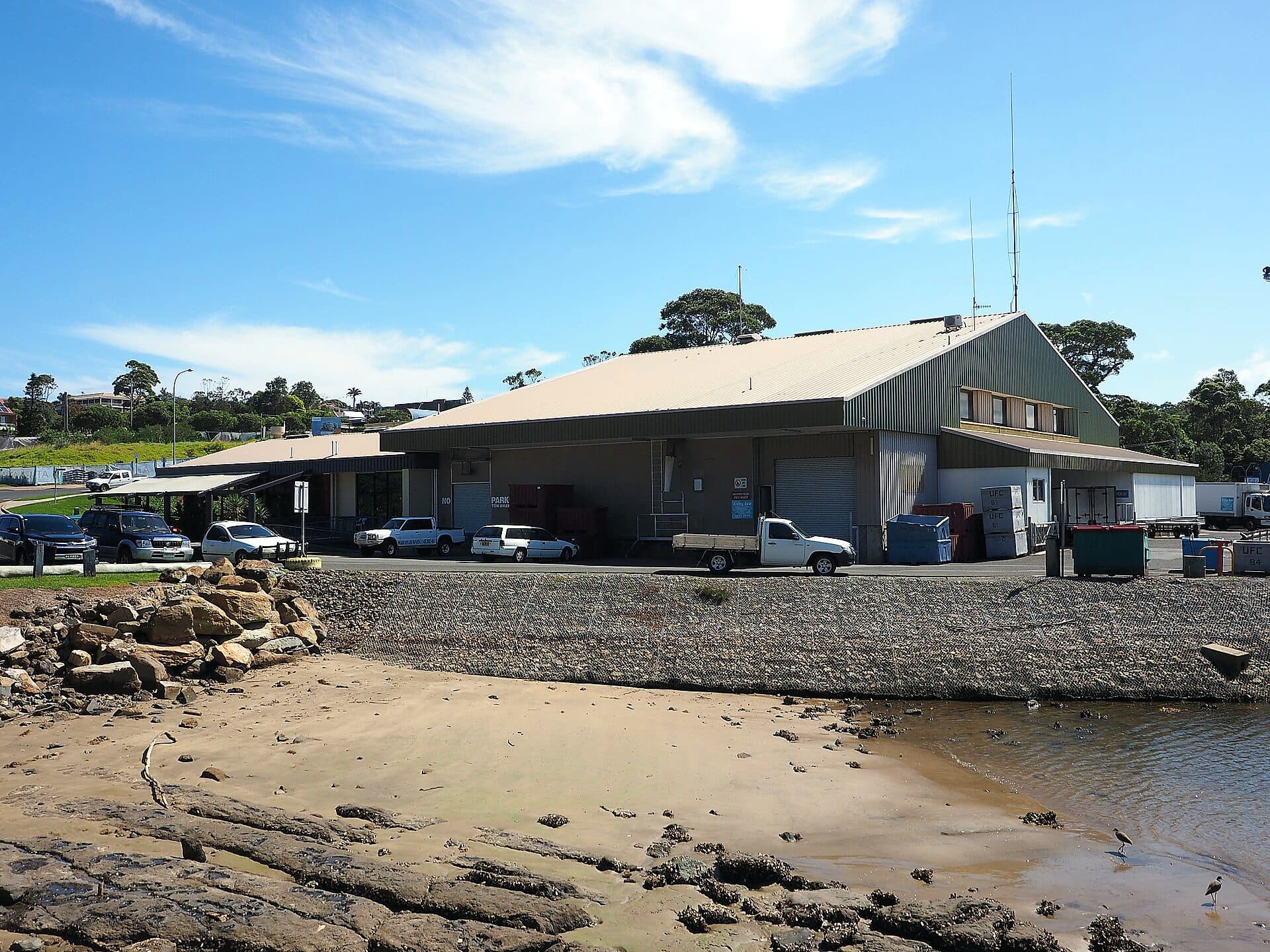
Fisheries cooperatives are member-owned organisations where fishermen collectively manage operations, share infrastructure, and market their catch — replacing the chain of middlemen that typically captures most of the value between the fishing boat and the consumer's plate. They exist because a single fisherman returning with 50 kilograms of tuna has almost no control over the price he receives; a cooperative representing 500 fishermen delivering 25 tonnes has the scale to negotiate, process, and sell directly.
Fisheries Cooperatives at a Glance
| Country | Cooperative / Network | Members | Key Role |
|---|---|---|---|
| Japan | JF Zengyoren | 180,000+ | National federation of fishing cooperatives |
| Philippines | Various (BFAR-registered) | 800,000+ | Municipal fishing, lake fisheries |
| Norway | Norges Råfisklag | ~7,000 vessels | First-hand fish sales monopoly |
| Kenya | Lake Victoria Basin coops | Tens of thousands | Inland freshwater fisheries |
| India | Matsyafed (Kerala) | 170,000+ | Marine fishing, credit, welfare |
What Fisheries Cooperatives Do
Collective Fishing and Boat Operations
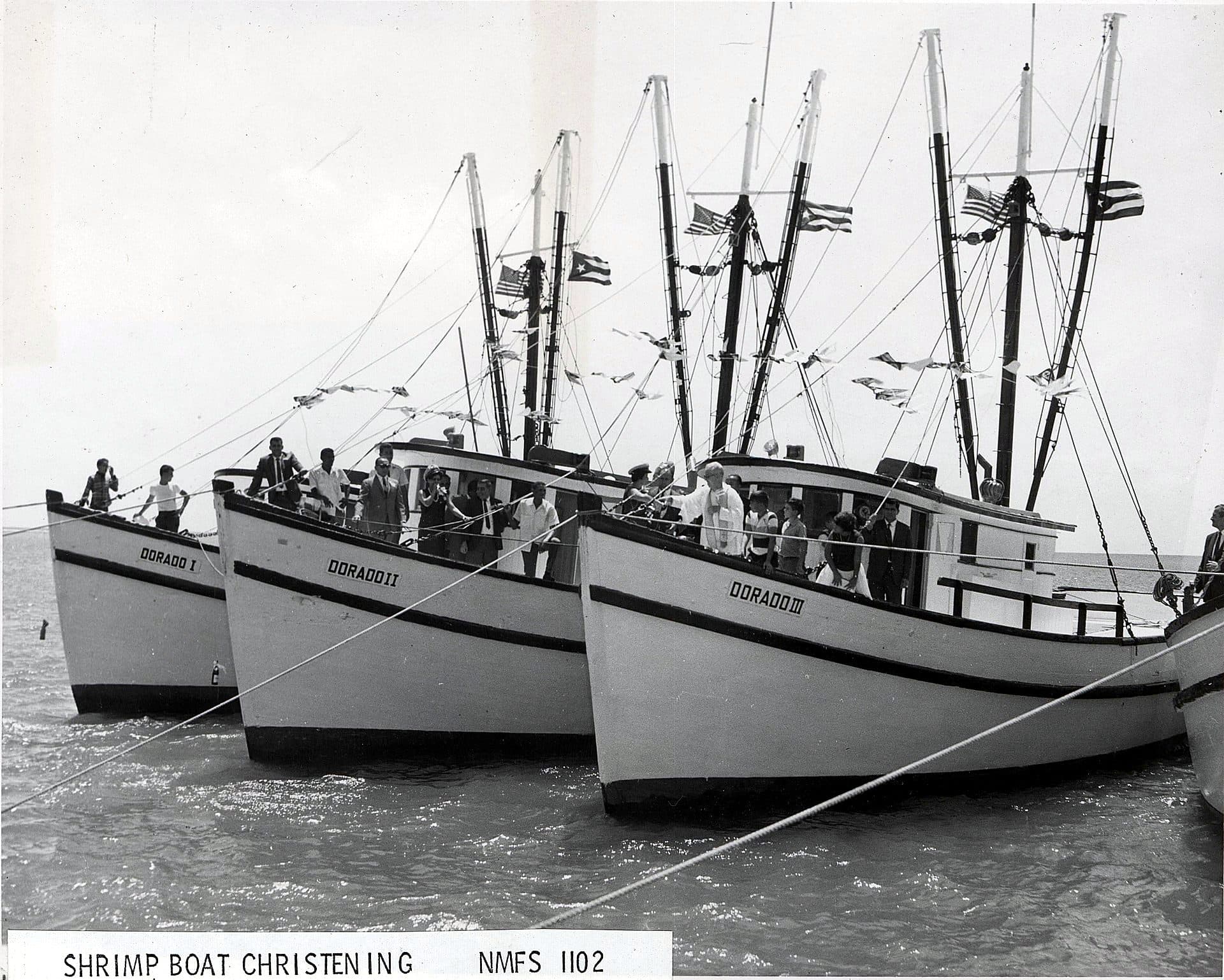
Some fisheries cooperatives operate fishing vessels jointly — members pool capital to buy or maintain boats, share fuel costs, and rotate labour. This is particularly common in small-scale fisheries where no single fisher can afford a seaworthy vessel alone.
In the Philippines, municipal fishing cooperatives typically serve fishermen operating within 15 kilometres of the shoreline using small motorised boats (bancas). By pooling resources, members can maintain their boats cooperatively, purchase ice and fuel in bulk, and organise shared trips to fishing grounds.
Joint boat ownership requires clear rules about maintenance responsibilities, revenue allocation, and what happens when a vessel is damaged. Most cooperatives address this in their bylaws with explicit schedules for cost-sharing and surplus distribution.
Cold Storage and Post-Harvest Infrastructure
Fish spoils quickly. Without immediate refrigeration, much of a day's catch is worth significantly less — or worthless — by the time it reaches buyers. Cold storage infrastructure is one of the clearest cases for cooperative organisation: no single small-scale fisherman can afford a commercial cold room, but 200 fishermen sharing costs can.
Cold storage cooperatives collect fish from members, chill or freeze it, and sell to buyers at times and prices that suit the cooperative rather than accepting whatever distressed price a trader offers at the dock. This alone can increase member income by 20–40% in markets where fish prices vary sharply between early morning (when boats arrive) and midday.
The Kerala Matsyafed cooperative in India operates a network of cold storage facilities, ice plants, and fish-freezing units serving its 170,000+ member fishermen. The infrastructure is collectively owned, and members pay usage fees that fund maintenance. See cooperatives in India for more on India's state-level fisheries cooperative federations.
Marketing and Direct Sales
The traditional fish supply chain in many developing countries involves several layers of middlemen — boat landing agents, wholesale traders, transport intermediaries, and retailers — each taking a margin. By the time a fish reaches the consumer, the fisherman may have received only 20–30% of the final retail price.
Cooperative marketing shortens this chain. Members sell through the cooperative, which negotiates with processors, retailers, and exporters directly. In some cases, cooperatives operate their own retail outlets or export directly.
In Japan, fishing cooperative associations (gyogyō kyōdō kumiai) exercise the legal right to manage fishery resources in their designated coastal zones. They also run auction markets at fishing ports, where fish prices are set through transparent bidding rather than opaque negotiation with private traders.
Boat Maintenance and Equipment Sharing
Engine overhauls, net repairs, and navigation equipment upgrades are all significant costs for fishing households. Cooperatives can establish shared maintenance workshops, bulk-buy spare parts, and provide credit for equipment replacement.
In Norway, Norges Råfisklag (the Norwegian Raw Fish Organisation) operates as a cooperative of fishing vessel owners with the legal right to be the first buyer of fish from Norwegian vessels. This first-purchase monopoly, established by law, prevents private fish buyers from undercutting the cooperative price and ensures fishermen receive the full market value for their catch.
Credit and Financial Services
Fishing is capital-intensive and cyclical — vessels need maintenance between seasons, weather prevents fishing for weeks at a time, and gear must be replaced after damage. Access to credit at reasonable rates is critical for fishermen's financial resilience.
Many fisheries cooperatives include a savings and credit function, lending to members for boat repairs, equipment, and family emergencies at lower rates than commercial lenders. In the Philippines, this function is formally supported: the Bureau of Fisheries and Aquatic Resources (BFAR) specifically encourages cooperatives to offer credit as part of their services.
Major Fisheries Cooperatives and Systems
Japan — JF Zengyoren
Japan has the most developed fisheries cooperative system in the world. The national federation, JF Zengyoren (National Federation of Fisheries Cooperative Associations), represents over 180,000 members organised through prefectural federations and local cooperative associations (JF groups).
Japanese fishing cooperatives hold fishing rights — the legal authority to fish in specific coastal zones — which are allocated to the cooperative as an organisation, not to individual fishermen. This gives cooperatives direct control over resource management. Members vote on catch limits, gear restrictions, and seasonal closures, creating a built-in incentive for sustainable fishing.
The cooperative system handles fish auctions at 2,800+ ports, provides credit to members, offers mutual insurance, and supplies fishing inputs. JF Zengyoren's combined economic activity is in the hundreds of billions of yen annually.
Philippines — BFAR and Municipal Fishing Cooperatives
The Philippines has over 1.6 million registered fishermen, most operating as small-scale municipal fishers. The Bureau of Fisheries and Aquatic Resources (BFAR) actively promotes cooperative formation as a poverty-reduction strategy in coastal communities.
Registered fisheries cooperatives qualify for government support: access to BFAR's Fishing Vessel and Gear Loan Program, cooperative development training, post-harvest technology grants, and linkages to export processing companies. The government has assisted hundreds of fishing cooperatives across Luzon, Visayas, and Mindanao.
Notable examples include cooperatives on Lake Sebu (South Cotabato, tilapia aquaculture), in Palawan (small pelagic fisheries), and across the Visayan Sea communities. The Philippines also has aquaculture cooperatives for seaweed farming, particularly in Tawi-Tawi and Southern Leyte.
More on Philippine cooperatives →
Norway — Norges Råfisklag
Norway's fisheries cooperative system is among the most legally privileged in the world. Under the Raw Fish Act (Råfiskloven), fishermen's sales organisations have the exclusive right to set minimum prices for first-hand sales of wild fish. No fish from a Norwegian vessel can be sold below the cooperative's minimum price.
Norges Råfisklag covers Northern Norway and covers species including cod, haddock, herring, and capelin. Similar sales organisations cover different regions: Surofi in the south, Rogaland Fiskesalgslag in Rogaland. These organisations collectively handle billions of Norwegian krone in fish sales annually.
The result is that Norwegian fishermen receive some of the highest farm-gate prices in the world for commodity fish species — a direct result of cooperative market power, backed by favourable legislation.
Kenya — Lake Victoria Fishing Cooperatives
Lake Victoria is the world's largest tropical lake and the centre of East Africa's freshwater fishing industry. Nile perch and tilapia are the dominant commercial species, with substantial export trade to Europe and Asia.
Fishing cooperatives on Lake Victoria serve communities in Kenya, Uganda, and Tanzania. In Kenya, the cooperatives are registered with the Department of Fisheries and are active in landing sites like Kisumu, Homa Bay, and Suba. For the broader Kenyan cooperative landscape, see cooperatives in Kenya. Their functions include collective marketing, cold storage management, and lobbying for better landing infrastructure.
The sector faces significant challenges including overfishing, illegal gear (beach seine nets), and competition from large export processing companies. Cooperatives play a role in resource management advocacy, pushing for enforcement of fishing regulations that protect the long-term health of the lake's fish stocks.
India — Matsyafed and State Fisheries Cooperatives
India's 4 million marine fishermen are served by a network of state-level cooperative federations. Kerala Matsyafed (Kerala State Cooperative Federation for Fisheries Development) is the largest and most developed, covering 170,000+ members across Kerala's coastline.
Matsyafed provides ice, cold storage, fuel, boat insurance, consumer goods (through cooperative shops in fishing villages), and export marketing. It operates government schemes providing life insurance and welfare support to fishermen's families.
In other coastal states — Tamil Nadu, Maharashtra, Andhra Pradesh — similar state-level cooperative federations operate with varying levels of coverage and government support.
The Economic Case for Fisheries Cooperatives
The price gap between what a fisherman earns and what a consumer pays for the same fish is striking in most markets. Studies in the Philippines, Kenya, and South Asia have documented middlemen capturing 50–70% of final retail value, leaving fishermen with only 30–50 cents for every dollar paid at the fish counter.
Cooperatives close this gap in measurable ways:
| Mechanism | Estimated Income Gain for Members |
|---|---|
| Cold storage (selling when prices are higher, not when boats land) | 15–30% |
| Collective marketing (removing one middleman layer) | 10–25% |
| Bulk input purchasing (fuel, ice, nets) | 5–15% |
| Direct export / processing contracts | 20–50% (where available) |
These are not guaranteed outcomes — they depend on good management, sufficient volume, and market conditions. But cooperatives that operate cold storage and have direct buyer relationships consistently outperform unorganised fishers in the same communities.
A 2019 study of fishing cooperatives in the Philippines found that members earned 22% more per kilogram of fish than non-members in the same coastal municipalities, primarily from collective ice purchasing, shared cold storage, and collective bargaining with fish buyers at landing sites.
In Kerala, India, the Matsyafed network's members access higher prices through its network of fish collection points and export linkages, while also receiving subsidised inputs and government welfare benefits available only to cooperative members.
Sustainability and Resource Management
Beyond economics, cooperatives play a governance role that individual fishermen cannot: enforcing sustainable catch limits in their own interest. Where a cooperative holds rights to specific fishing grounds — as in Japan's territorial use rights system — it has a direct financial stake in ensuring those grounds remain productive.
This differs from open-access fisheries where individual fishers face a classic commons problem: each fisher benefits from taking as much as possible now, even though collective overfishing destroys the resource for everyone. A cooperative that controls access to a zone internalises this cost: overfishing reduces the value of the cooperative's own asset.
How to Form a Fisheries Cooperative
Starting a fisheries cooperative follows a general cooperative formation process, adapted for the sector:
- Identify a core group — a minimum of 15–25 fishermen who face the same problems (poor prices, no cold storage, no credit access) and are willing to commit to cooperative governance
- Assess shared needs — cold storage? boat maintenance? collective marketing? The cooperative's initial purpose should be narrow and practical
- Conduct a feasibility study — map the number of fishermen, volume of catch, existing infrastructure, and potential buyers or processors in the area
- Draft bylaws and membership rules — covering membership fees, voting rights, profit sharing, and dispute resolution
- Register under the relevant law — in most countries this is the Cooperative Societies Act or an equivalent; in the Philippines, registration goes through the Cooperative Development Authority (CDA); in India, through the respective state's Registrar of Cooperative Societies
- Capitalise the cooperative — initial member shares plus, where available, government grants or development loans
- Build relationships with buyers — cold storage and marketing require identified buyers before investing in infrastructure
Government agencies in most fishing-dependent countries offer technical and financial support for new fisheries cooperative formation. BFAR in the Philippines, DOFAS in Kenya, and the National Fisheries Development Board (NFDB) in India all run cooperative development programmes.
Advantages and Challenges
Advantages
- Better prices — collective marketing removes or reduces the middlemen who typically capture 40–70% of fish value between landing and retail
- Shared infrastructure — cold storage, ice plants, and boat maintenance workshops are affordable collectively, not individually
- Credit access — cooperative credit functions at lower interest rates than private moneylenders
- Resource management — cooperatives that hold fishing rights can enforce sustainable catch limits more effectively than government agencies
- Political voice — collective advocacy for better landing infrastructure, fishing regulation, and market access
Challenges
- Perishability — fish spoils faster than most agricultural commodities, compressing decision windows and requiring cold chain infrastructure from the start
- Weather dependency — fishing seasons and weather create income volatility that strains cooperative finances
- Governance capacity — small coastal communities may lack bookkeeping and management skills for cooperative administration
- Elite capture — larger boat owners can dominate cooperative governance if rules do not adequately protect smaller-scale members
- Resource depletion — cooperatives in overfished zones face declining yields regardless of collective efficiency
FAQ
What is a fisheries cooperative?
A fisheries cooperative is a member-owned organisation run by and for fishermen. It provides services that individual fishermen cannot efficiently provide for themselves — collective marketing, cold storage, boat maintenance, credit, and in some countries the legal right to manage fishing zones. Members pay a share, participate in governance, and receive returns from the cooperative's operations in proportion to their activity.
How do fisheries cooperatives help fishermen earn more?
The main mechanism is cutting out middlemen. In a typical informal market, a fisherman sells to a landing agent, who sells to a wholesaler, who sells to a retailer — with each step extracting a margin. A cooperative that buys directly from members and sells to processors or retailers skips one or more of these steps, directing more of the consumer price back to the fisher. Cold storage adds further value by allowing fish to be held until prices improve, rather than selling at distressed early-morning dock prices.
What is BFAR's role in Philippine fisheries cooperatives?
The Bureau of Fisheries and Aquatic Resources (BFAR) is the Philippine government agency responsible for fisheries management. It promotes and supports fisheries cooperatives through loan programmes for vessels and gear, post-harvest technology grants, and technical training. Registration of fisheries cooperatives in the Philippines goes through the Cooperative Development Authority (CDA), but BFAR provides sector-specific support programmes that registered cooperatives can access.
What makes Japan's fisheries cooperative system unique?
Japan's fishing cooperatives hold legal fishing rights to their coastal zones. Rather than fishing rights being individual licences, they are held collectively by the cooperative, which means the organisation — not the government or individual licence-holders — manages access to fishing grounds. This gives cooperatives strong incentives and legal authority to enforce sustainable fishing practices, since overfishing directly reduces the cooperative's asset value.
Can aquaculture farms join fisheries cooperatives?
Yes, in most countries aquaculture producers — fish farmers, seaweed growers, shellfish farmers — can form or join cooperatives. The Philippines has specific aquaculture cooperatives, particularly for seaweed farming in island provinces. Japan's cooperative system includes aquaculture producers alongside wild-catch fishermen. The cooperative functions are similar: shared inputs, collective marketing, and shared processing infrastructure.
How large does a fisheries cooperative need to be to be viable?
Minimum viable size depends on the cooperative's main activity. A collective marketing cooperative needs enough combined volume to attract buyers and justify cold storage investment — typically at least 50–100 active fishermen with regular catches. A credit cooperative needs enough member savings to maintain a lending fund. A boat-maintenance cooperative needs enough vessels to justify a shared workshop. Some of the most successful cooperatives started small (20–30 members) and grew once members saw the benefits, so the key is starting with a clear, specific shared purpose rather than trying to do everything at once.
Are fisheries cooperatives effective at managing fish stocks?
The evidence is mixed but generally positive where cooperatives hold formal fishing rights. Japan's territorial use rights system — where cooperatives control access to specific zones — has supported relatively sustainable coastal fisheries compared to open-access systems. In contrast, cooperatives that only handle marketing but have no resource management authority face the same overfishing pressure as unorganised fishermen. The combination of market power plus resource management rights is most effective.
See also:

References & further reading
This guide is researched against primary sources. Where we cite figures, they reflect the most recent data published by these organisations at the time of writing.
- 1.Cooperative Services — USDA Rural Development
- 2.Cooperatives and the world of work — International Labour Organization
Find Cooperatives Worldwide
Browse 26,000+ cooperatives by sector and country in our free directory.